
Clean Water for Water Mold Temperature Controllers
The TMC Series specifies clean water as its medium. Learn which water-quality, contamination, and cleaning requirements to confirm in the equipment manual.

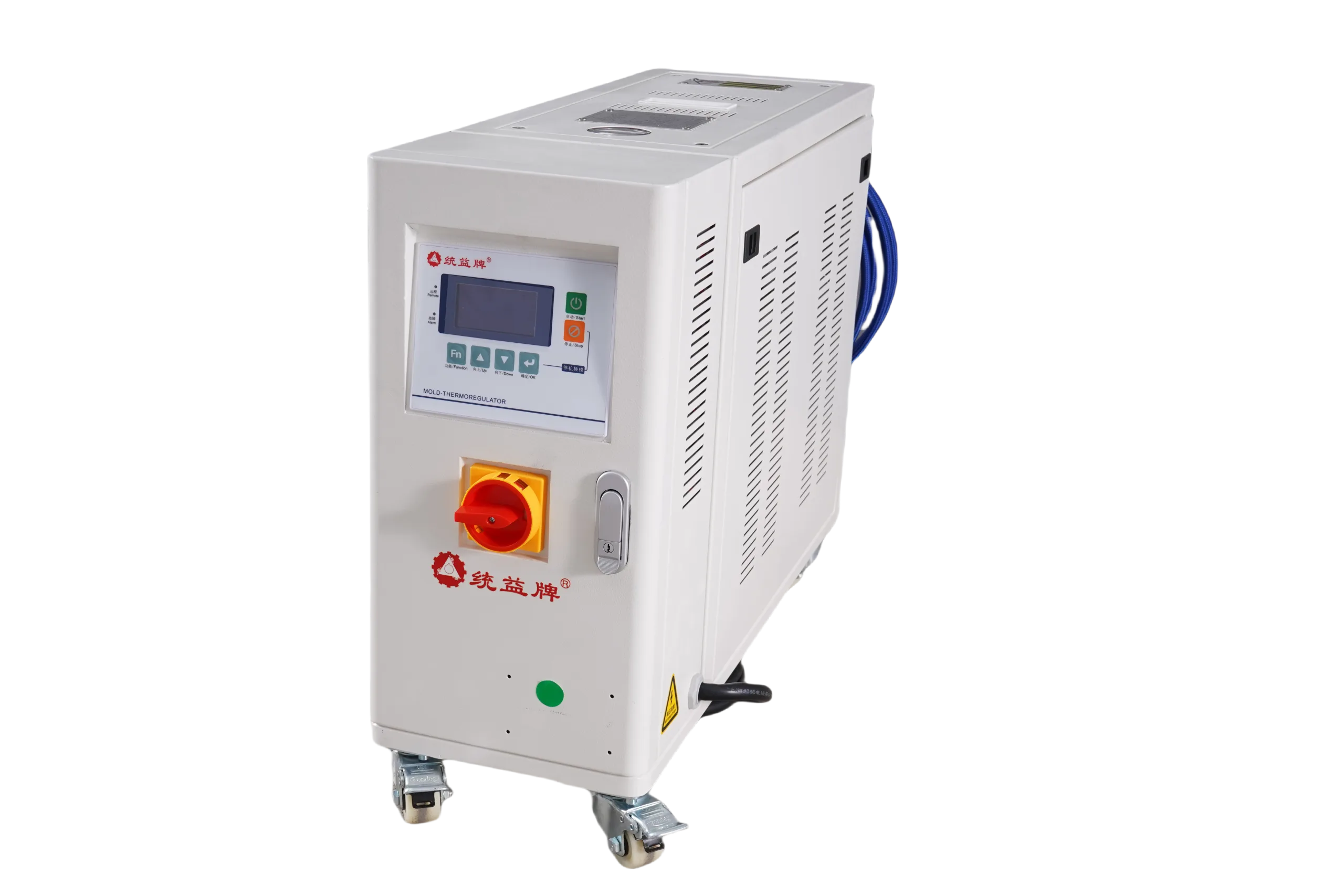
The TMC Series product page lists clean water as its medium but does not define a filtration level, mineral-content limit, or treatment method. Check the current manual or ask the supplier for the water-quality specification for your model.
Why does water quality matter so much in a water type mold temperature controller?
Water condition is one item to consider when investigating a circulation or temperature issue. The product page does not identify it as a common cause; use the equipment manual and a systematic diagnosis rather than assuming the water is responsible.
Restricted flow can be one possible contributor to temperature variation, but it is not a diagnosis by itself. Check the controller, mold circuit, sensor readings, and process conditions using the site procedure.
What counts as “clean water” for the TMC Series?
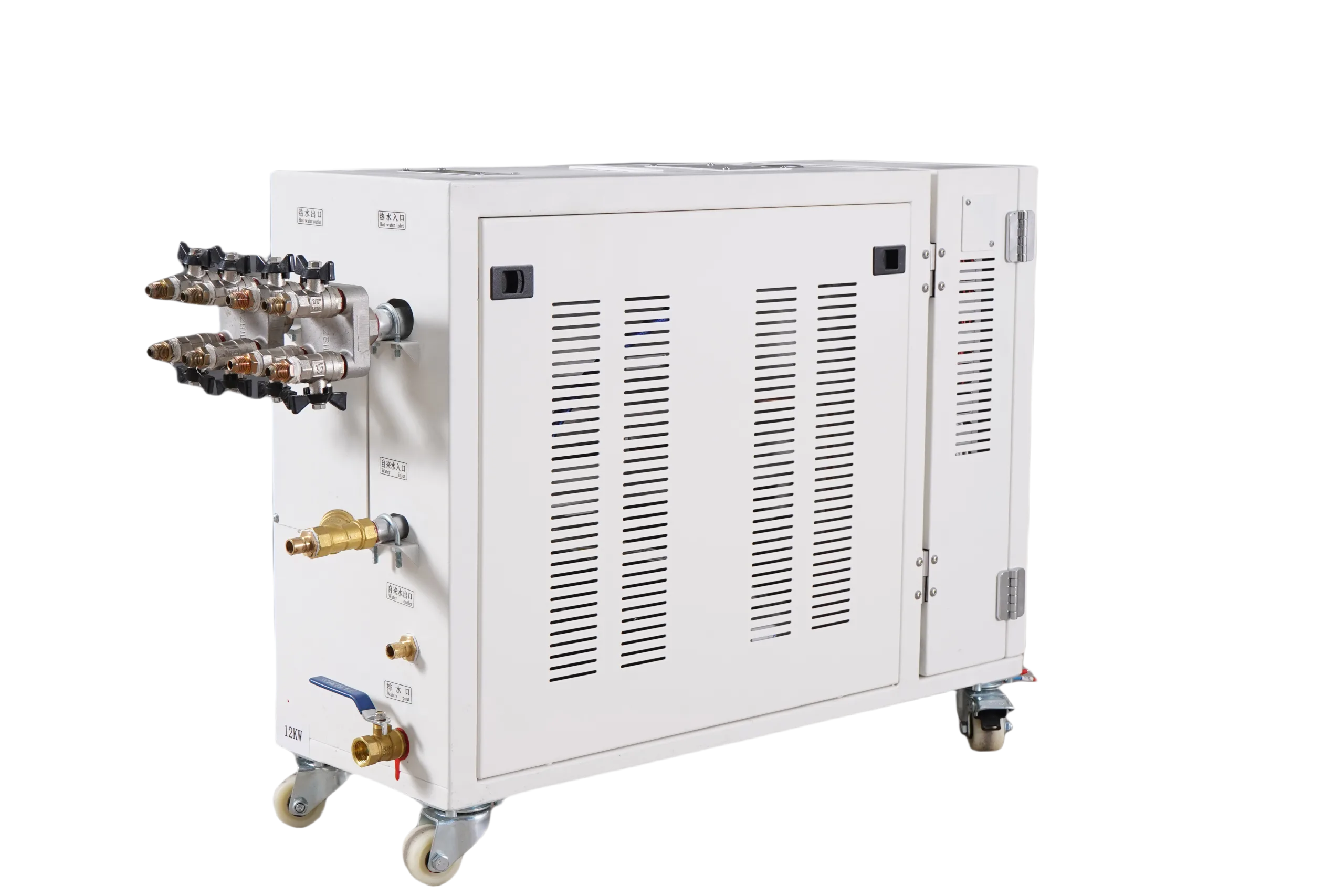
The product page says the TMC Series uses clean water but gives no measurable definition. Do not infer limits for suspended solids, oil, chemicals, or dissolved minerals; obtain the model-specific requirements from the supplier.
- Visually clear — no cloudiness, rust tint, or floating particles when drawn from the circuit.
- Free of oil and glycol carryover — process fluids that leak into the circuit coat heat transfer surfaces and reduce efficiency.
- No active biological growth — slime or biofilm in a reservoir or sump indicates the loop is open to contamination.
- Managed hardness — hard feedwater forms scale inside the heater and heat exchanger; confirm acceptable hardness with your equipment manual and local water conditions rather than assuming a universal threshold.
Because water chemistry varies widely by region and facility, treat the equipment manual as the authority on what your specific unit can tolerate, and have your water tested if you see recurring deposits.
What are the symptoms of contaminated or scaling water?
Catch contamination early by watching for the signs below. Technicians who recognize these patterns can often clean the circuit before a pump or heater fails.
| Observed symptom | Likely water quality cause | First check |
|---|---|---|
| Slow heat-up or difficulty reaching setpoint | Scale buildup on heater or heat exchanger surfaces | Inspect accessible surfaces for white or crusty deposits |
| Fluctuating temperature at the mold | Particulates partially blocking flow passages | Check filters, strainers, and flow indicators |
| Pump noise or reduced circulation | Debris or sludge reaching the pump | Verify pump inlet condition and reservoir cleanliness |
| Discolored or cloudy water at the sight glass | Rust, biological growth, or process fluid carryover | Draw a sample and inspect visually |
If contamination or deposits are observed, record the condition and follow the supplier-approved inspection and cleaning procedure. Do not assume the cause or replace a component without checking the applicable maintenance guidance.
How should maintenance technicians keep the water circuit clean?
Water quality and maintenance requirements depend on the installation and the equipment instructions. Use the manual and supplier guidance to set a site-specific inspection and cleaning routine; do not assume one schedule or treatment suits every plant.
- Inspect the water visually on a regular schedule. Cloudy, tinted, or particulate-laden water is an early warning worth acting on immediately.
- Keep filters and strainers serviced. A clogged strainer upstream of the pump mimics a failing pump and stresses the whole unit.
- Prevent process fluid ingress. A leaking mold or cross-connected line can introduce oil or chemicals that degrade heat transfer quickly.
- Watch for scale in hot zones. Deposits around the heater or heat exchanger indicate hardness in the feedwater; address the source, not just the deposit.
- Document what you find. Photos and notes on water condition help your service provider diagnose faster and confirm whether the issue is recurring.
For cleaning agents, flushing procedures, and safe intervals, follow the instructions in your equipment manual. Chemical treatment decisions should be based on an actual water analysis and the manufacturer’s guidance — not on generic internet recommendations.
When should you involve a service provider or the manufacturer?
Call for service support when symptoms persist after basic checks, when you find heavy scale or sludge inside the unit, or when a pump or heater has already been damaged. A service visit is also the right time to have the water condition formally evaluated against what the unit was designed for.
Before contacting support, gather the details that shorten diagnosis: the unit model, the medium in use, how long symptoms have been present, what the water looks like, and any recent changes to the plant water supply or mold circuit. This information lets a service team determine whether the problem is water quality, mechanical wear, or a control issue — often before anyone arrives on site.
How does water quality affect unit selection and procurement?
If your site has hard water or an open cooling loop, disclose that condition to the supplier and ask for the applicable water-quality requirements. Do not infer warranty coverage or component life from the product page.
When requesting a quote or service support, include your water source description, circuit layout, observed symptoms, and any maintenance history. Suppliers can then recommend the right configuration and service plan for your actual conditions instead of a generic setup.
Frequently asked questions
Can I use tap water directly in a water type mold temperature controller?
Use tap water only if it meets the water-quality specification in the current equipment manual. If the manual does not define the requirement, ask the supplier before filling the circuit; do not assume a particular treatment is required or acceptable.
How often should the water in the unit be checked or replaced?
Follow the equipment manual for water inspection, replacement, and cleaning intervals. If you observe a change in appearance, document it and ask the supplier whether testing or service is appropriate.
What should I do if I find scale inside the heater or heat exchanger?
Scale on hot surfaces indicates hardness in the feedwater and restricted heat transfer. Stop guessing with chemical additives — consult your equipment manual for approved cleaning procedures and contact a service provider to address both the deposit and the water source.
Does poor water quality void coverage on the unit?
The product page lists clean water as the TMC Series medium. Confirm the approved fluid and any warranty or service implications in the current written terms and equipment manual.
See the Water Type Mold Temperature Controller TMC Series page for the published model specifications.
Last updated: October 30, 2026