
Energy-Efficient Mold Temperature Controller Types
This guide explains how to size an energy-efficient mold temperature controller for injection molding, compares water-type models by heater and pump.

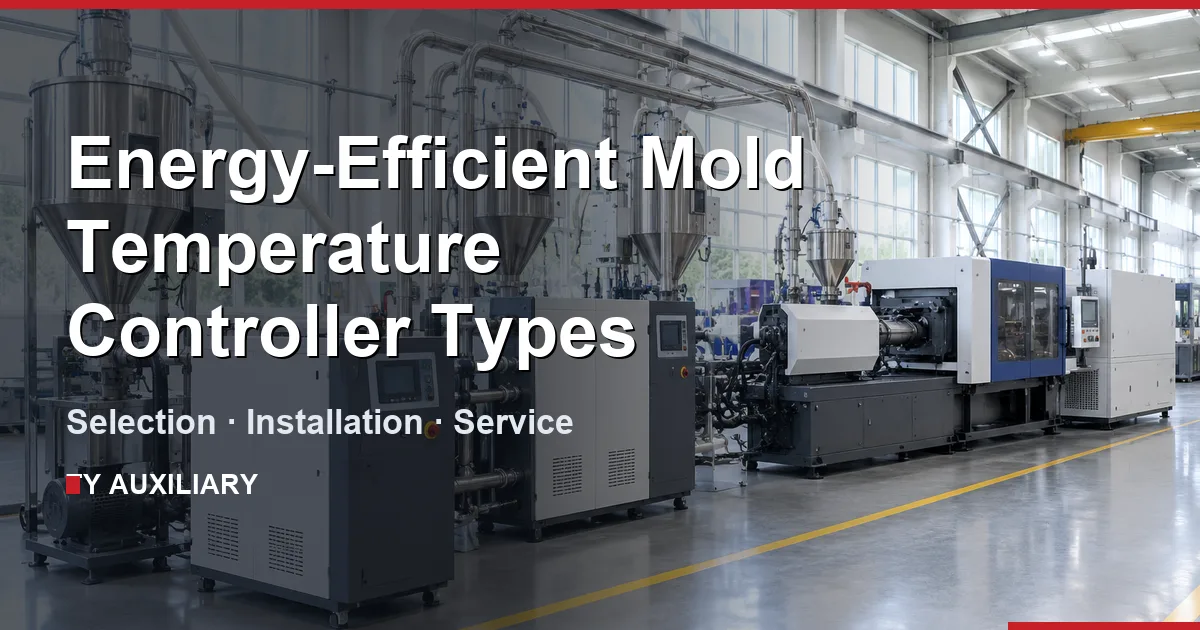
An energy-efficient mold temperature controller keeps injection mold surfaces within a tight temperature band while drawing the least power needed to do so, cutting heater cycling losses and stabilizing cycle times. For overseas buyers, efficiency comes from correct sizing, pump matching, and direct cooling design—not from a single spec-sheet number.
Why does energy efficiency matter when buying a mold temperature controller?
Heating and cooling the mold typically represents one of the larger auxiliary power loads in an injection molding plant, and an oversized or poorly matched unit wastes energy through constant heater cycling and unnecessary pump flow. A correctly sized energy-efficient mold temperature controller holds setpoint with fewer on/off cycles, which lowers electricity consumption, reduces thermal stress on heaters, and keeps part dimensions more consistent from shot to shot.
Efficiency also has a quality dimension. When mold temperature drifts, you see warpage, sink marks, and longer cycle times as operators compensate. Stable temperature control is therefore both an energy decision and a scrap-rate decision.
What types of mold temperature controllers are available?
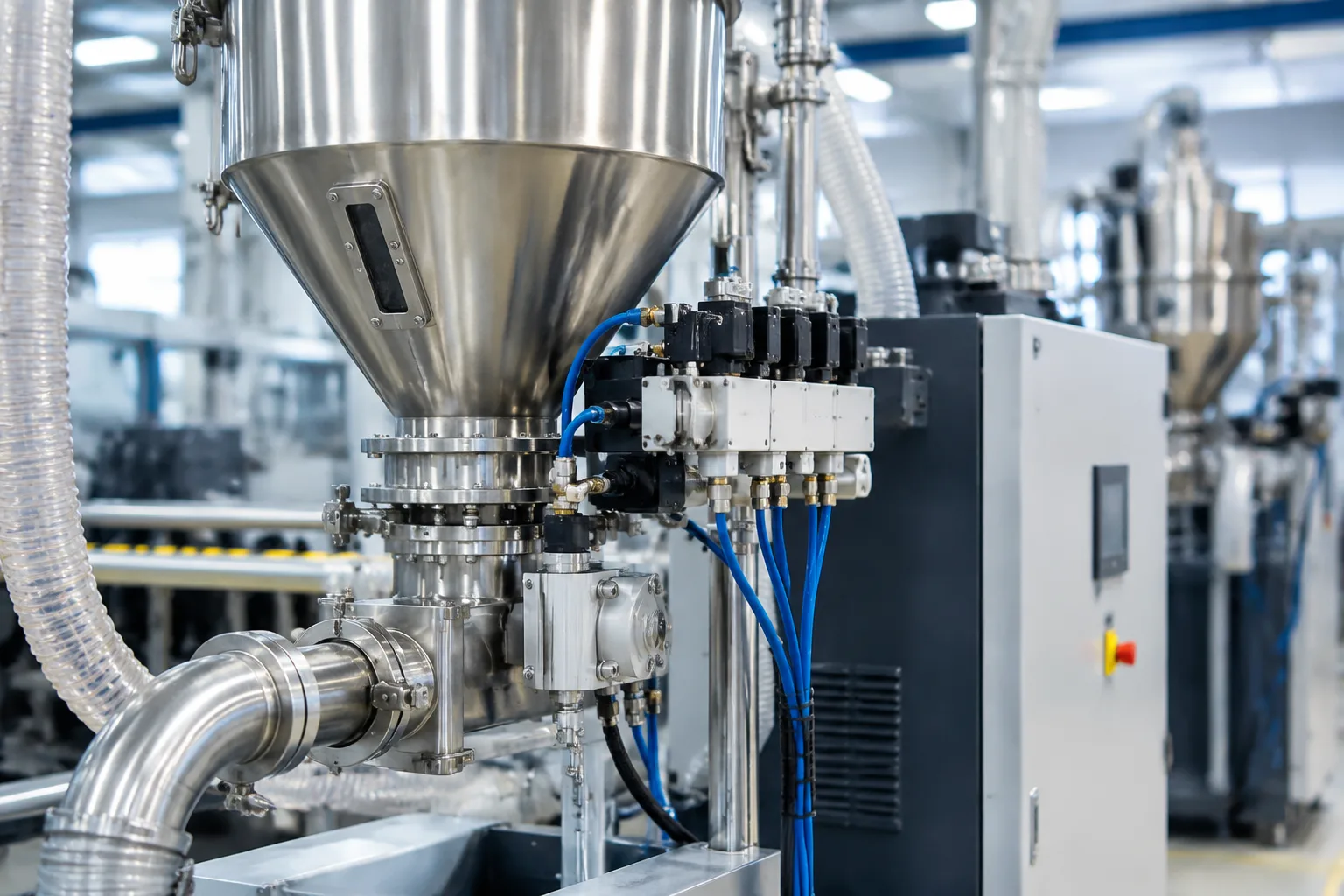
Mold temperature controllers are generally divided by heat-transfer medium. The two main categories are:
- Water-type units: Clean water as the medium, typically for mold temperatures up to around 120 °C. They transfer heat efficiently, are easier to maintain, and use direct cooling, which responds quickly to process changes.
- Oil-type units: Suited to higher process temperatures beyond the boiling range of pressurized water, common in engineering resins and thermoset applications.
For most commodity and packaging injection molding running resins such as PP, PE, or ABS, a water-type unit up to 120 °C covers the application and is the more energy-efficient and lower-maintenance choice. Oil units are worth the extra cost only when your process genuinely demands higher mold temperatures.
How do you size a unit for your mold and machine?
Sizing is the single biggest lever on efficiency. An undersized heater will never reach setpoint; an oversized one wastes power and short-cycles. Work through these steps:
- Estimate heating demand: Base it on mold weight, target temperature, and shot weight. Typical water-type heater ratings run from 6 kW on small molds to 36 kW on larger multi-cavity tools.
- Match pump flow and pressure: Flow must be high enough to sweep heat out of the channels; typical circulation flows range from roughly 145 to 415 L/min across common model sizes, with pump pressures from about 0.25 to 0.35 bar.
- Confirm cooling method: Direct cooling, where cooling water mixes with the circulating medium, gives the fastest response on water units and avoids a heat-exchanger loss.
- Check connection sizes: Ensure inlet/outlet piping matches your mold plumbing so flow is not throttled at the fittings.
As a rule of thumb, buyers running multiple smaller molds should consider separate smaller units rather than one large shared unit—dedicated control lets each tool run its own setpoint without standby losses.
How do leading water-type models compare?
The table below compares three water-type models from the Tongyi (TMC) series to illustrate how heater power, pump power, and cooling scale across a range. All use clean water as the medium, reach a maximum temperature of 120 °C, and use direct cooling, with minimum controllable temperature of cooling water temperature +5~30 °C.
| Model | Heat medium | Max temp | Heater power | Pump power | Cooling method |
|---|---|---|---|---|---|
| TMC 60W | Clean water | 120 °C | 6 kW | 0.37 kW | Direct |
| TMC 120W | Clean water | 120 °C | 12 kW | 0.75 kW | Direct |
| TMC 360W | Clean water | 120 °C | 36 kW | 2.2 kW | Direct |
For example, the TMC 120W, with a 12 kW heater and 0.75 kW pump, suits mid-size molds on presses in the common 200–500 ton class, while the TMC 60W covers smaller tools where a lower pump load keeps standby consumption down. The TMC 360W serves large or multi-cavity molds needing rapid heat-up. Selecting the smallest model that meets your heat-up time requirement is the simplest route to lower running cost.
What should you check in a supplier quotation?
When comparing quotes from factories, look past the headline heater rating and ask for a like-for-like breakdown:
- Complete specification sheet: Heater power, pump power, flow, pressure, connection sizes, and footprint—so you can verify the unit fits your installation.
- Control system: PID temperature control with clear deviation alarms; ask how the controller manages heater staging at partial load, since that is where most energy is lost.
- Build quality: Stainless or properly treated circulation components for water quality in your region, and accessible maintenance points.
- Compliance and quality systems: Confirm CE conformity for European installations and an ISO9001-certified manufacturing process, which Suzhou Tongyi Automation Machinery maintains as a standard part of its production system.
- Documentation and support: Wiring diagrams, manuals in English, and remote commissioning support for overseas installations.
How do you get a correct selection recommendation?
Send the supplier four data points: mold weight, target mold temperature, shot weight, and desired heat-up time. A competent manufacturer will return a model recommendation with heater and pump sizing rather than simply quoting the largest unit. Suzhou Tongyi Automation Machinery’s engineering team provides model selection based on your actual tooling data, covering the full TMC water series from 6 kW to 36 kW. Contact us with your mold specifications to receive a sizing proposal and quotation, and ask for the complete specification sheet of any model before you commit.
Frequently asked questions
Can a water-type controller reach 120 °C?
Yes. Water-type units in the TMC series reach a maximum temperature of 120 °C with clean water as the medium. Above that range, oil-type units are required. Most commodity resin applications run well below 120 °C, so water remains the efficient default.
Does a bigger heater mean faster, better performance?
Not necessarily. Oversized heaters short-cycle and waste energy, and oversized pumps add parasitic load. The efficient choice is the smallest heater and pump combination that meets your mold’s heat-up time and temperature stability requirements.
What is direct cooling and why does it save energy?
In direct cooling, cooling water is introduced straight into the circulating circuit rather than through a separate heat exchanger. Heat exchange happens in one step, response is faster, and there is no exchanger-induced temperature lag or added pumping loss.
Last updated: October 27, 2026