
Industrial Small Mold Temperature Controller Price
Mold temperature controller price depends on heat-transfer medium, heater and pump power, and control type, and this guide shows overseas buyers how.

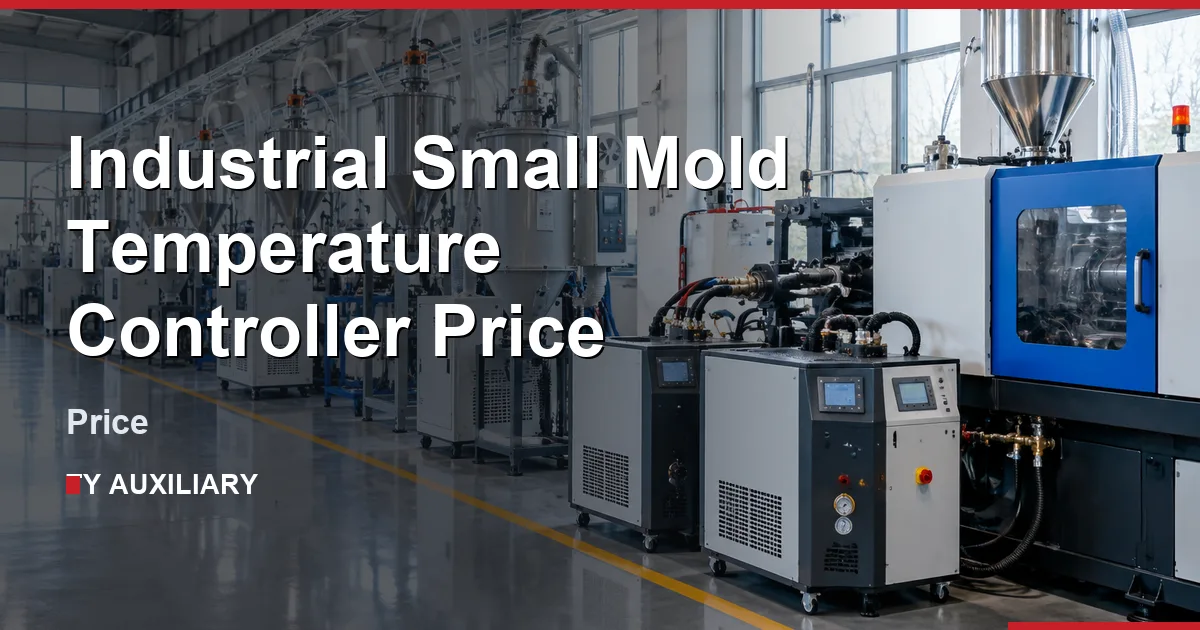
The price of an industrial small mold temperature controller is driven mainly by its heat-transfer medium (water or oil), heater power class, pump power, and control type — not by brand name alone. Overseas buyers comparing quotes should evaluate these factors line by line to secure a like-for-like price.
What actually determines the price of an industrial small mold temperature controller?
The single biggest price driver is the heat-transfer medium. Water units, typically operating up to around 120 °C (or up to 180 °C in pressurized designs), use simpler construction and lower-cost components, while oil-type units running up to 300 °C require higher-grade seals, pumps, and heater materials, so they cost more at the same nominal capacity.
After the medium, the main cost drivers are:
- Heater power class: a 6 kW and a 36 kW heater differ substantially in element count, contactor size, and wiring.
- Pump power: higher flow and pressure needed for long hose runs or multi-cavity molds means a larger, more expensive pump and motor.
- Control type: a PID temperature controller is the economical choice for single-zone units; a PLC with touch-screen HMI, multi-zone control, or remote communication raises cost but adds process visibility.
- Inverter heating: variable-frequency heating reduces energy consumption and temperature fluctuation, which increases upfront cost but lowers running cost.
- Certifications: CE-marked electrical systems and ISO9001-controlled manufacturing add compliance cost that reputable suppliers will itemize honestly.
- Packaging and freight: export-grade fumigated wooden crates, sea or air freight, and destination port charges can be a meaningful share of landed cost for compact units.
Water type or oil type: which small mold temperature controller suits your molds?
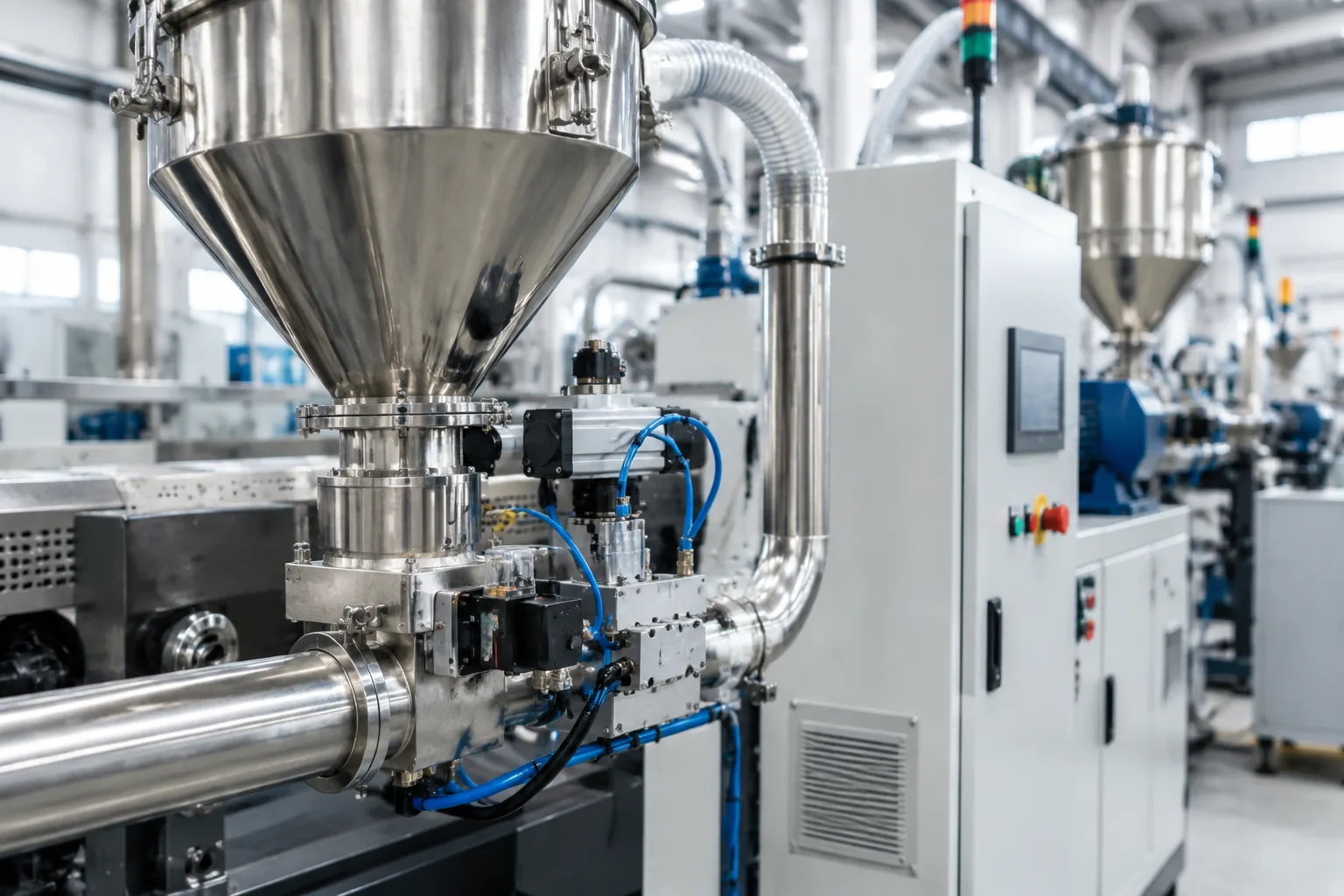
Choose the medium by required mold temperature, not by price alone. If your process runs below roughly 120 °C, a water unit is usually the lower-cost and easier-to-maintain option; above that, or for high-temperature engineering resins, an oil unit is necessary.
| Factor | Water-type unit | Oil-type unit |
|---|---|---|
| Typical operating range | Ambient to ~120 °C (up to ~180 °C pressurized) | Ambient to ~300 °C |
| Relative purchase cost | Lower at equal capacity | Higher at equal capacity |
| Maintenance | Simple; scale management needed | Periodic oil replacement; higher-grade seals |
| Typical applications | PP, PE, ABS, PET preforms, general injection molds | PC, PA, POM, precision optical and high-temperature molds |
| Safety considerations | Low-temperature, low-risk handling | Hot-oil handling and fire precautions required |
Over-specifying temperature range is one of the most common ways buyers overspend. Confirm your actual set-point requirements from the material supplier’s data sheet before requesting quotes.
How much heater and pump power does your application need?
Heater power should be sized from mold mass, throughput, and heat-up time — a practical rule many procurement teams use is to size the heater against the plasticizing capacity of the machine it serves, then verify against the supplier’s heat-load calculation. Undersized heaters cause slow ramp-up and unstable mold temperature; oversized heaters waste money on hardware and on demand charges.
Pump power matters as much as heater power. Every meter of supply hose, every quick connector, and every channel inside the mold adds pressure drop. A small mold temperature controller with a modest pump may look cheaper, but if it cannot maintain adequate flow through your mold channels, cooling-time benefits disappear. When comparing quotes, ask each supplier to state pump power, flow rate, and pressure — not just heater kilowatts.
PID or PLC control: where should you spend the money?
For a single-zone small mold temperature controller, a well-tuned PID controller with accurate thermocouple sensing is usually sufficient and keeps the price competitive. PLC-based control earns its premium when you need multi-zone management, recipe storage, alarm history, Modbus or other remote communication, or integration with a factory monitoring system.
Inverter-driven heating is worth considering when energy cost is a priority. By modulating heater output instead of switching it fully on and off, inverter control reduces power consumption and tightens temperature fluctuation — a genuine total-cost advantage even though the unit price is higher.
How should procurement teams compare supplier quotes fairly?
The most reliable way to compare prices is to normalize every quote to the same technical scope. Before ranking suppliers on price, confirm that each quotation specifies:
- Medium type (water or oil) and maximum operating temperature
- Heater power and pump power, with flow and pressure figures
- Control system: PID or PLC, single or multi-zone, communication options
- Certification scope (for example, CE marking) and inspection documentation
- Incoterms, packaging standard, and freight responsibility
- Warranty terms, spare-parts availability, and technical support channels
Two quotes that look far apart often differ only in these line items — one may exclude freight, another may use a smaller pump. A supplier that provides complete, verifiable specifications is usually the safer choice even if its unit price is slightly higher, because installation delays and performance shortfalls cost far more than the difference.
Why buy from an ISO9001-certified manufacturer like Suzhou Tongyi Automation Machinery?
Suzhou Tongyi Automation Machinery manufactures industrial auxiliary equipment under an ISO9001 quality management system, with CE-marked electrical designs for export markets. For a small mold temperature controller, this translates into consistent component sourcing, documented factory testing of heating and control performance before shipment, and export-grade packaging suitable for sea freight.
Buying directly from the manufacturer rather than through a trading intermediary also shortens the feedback loop for configuration questions — medium selection, heater sizing, pump options, and control upgrades can all be settled with the engineering team that builds the unit, which reduces the risk of receiving equipment that does not match your molds.
What is the next step to get an accurate price for your project?
Prepare a short specification: your mold temperature set-point, machine tonnage or mold size, number of temperature zones, hose-run length, and required certifications. Send this to the sales team at Suzhou Tongyi Automation Machinery, and the engineering side will confirm the appropriate medium, heater class, pump size, and control option — then issue a quotation you can compare like-for-like against any other supplier.
Sourcing with a complete specification is the fastest route to a fair industrial small mold temperature controller price, and it protects your budget from hidden costs at delivery.
Frequently asked questions
How long is the typical delivery time for a small mold temperature controller?
Standard water-type configurations are commonly available within a few weeks of order confirmation, while oil-type units or PLC-controlled custom builds take longer. Confirm the exact lead time and factory test schedule with the manufacturer before placing the order.
Do mold temperature controllers need CE certification for import into Europe?
Yes. Industrial temperature control units sold into the EU must meet applicable CE requirements covering electrical safety and machinery directives. Reputable manufacturers supply CE marking and supporting documentation with export shipments, so request this with every quotation.
Can one controller serve multiple molds?
Only if the molds run at the same temperature set-point and the pump has enough flow and pressure for the combined circuits. If molds need different temperatures, use separate zones or separate units to avoid compromising cycle time and part quality.
Which spare parts should we stock for overseas operation?
Common spares include thermocouples, heater elements, contactors, pump seals, and medium-specific filters. Stocking these locally prevents downtime waiting on international shipping, especially for oil-type units where seals and heaters work hardest.
Last updated: October 27, 2026