
Water Type Mold Temperature Controller Price
Water type mold temperature controller price depends on heater power, pump class, control type, certifications, and freight, and this guide shows.

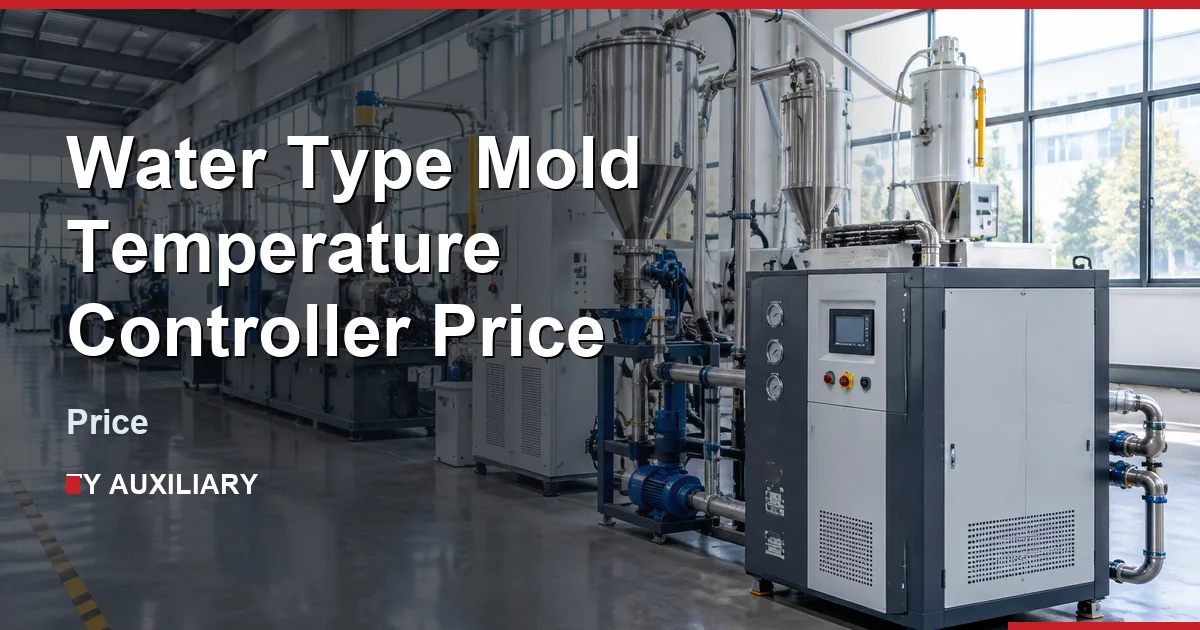
The price of a water type mold temperature controller is driven mainly by heater power class, pump specification, control type (PID or PLC), inverter heating, certification requirements, and packaging and freight. Because water units are generally simpler than oil-based systems, they are usually the lower-cost option for applications running up to typical water-unit temperature limits.
What actually drives the price of a water type mold temperature controller?
Heater power and pump specification are the two largest cost drivers. A controller sized for a small injection mold needs far less heating capacity and pump head than one serving a large die-casting die or multiple molds on a shared loop, and that difference flows directly into the quoted price.
- Heat-transfer medium: water units use simpler sealed circuits and standard components, while oil units require higher-temperature pumps, larger expansion vessels, and more robust sealing, which raises cost.
- Heater power class: higher kW heating elements and the contactors or solid-state switching that support them add measurable cost.
- Pump power: higher-flow, higher-pressure pumps cost more but are essential when coolant must travel long distances or through narrow mold channels.
- Control type: a basic PID controller is the economical choice; a PLC-based system with touchscreen HMI, data logging, or remote communication adds cost but improves traceability and integration.
- Inverter heating: variable-frequency heating reduces energy consumption and temperature fluctuation, and typically carries a price premium over fixed-resistance heating.
- Certifications: CE, UL, or other market-specific approvals affect component selection and documentation, and therefore price.
- Packaging and freight: seaworthy crating, fumigation, and destination-port charges can be a meaningful share of total landed cost for overseas buyers.
How does a water unit compare with an oil unit on cost and application?
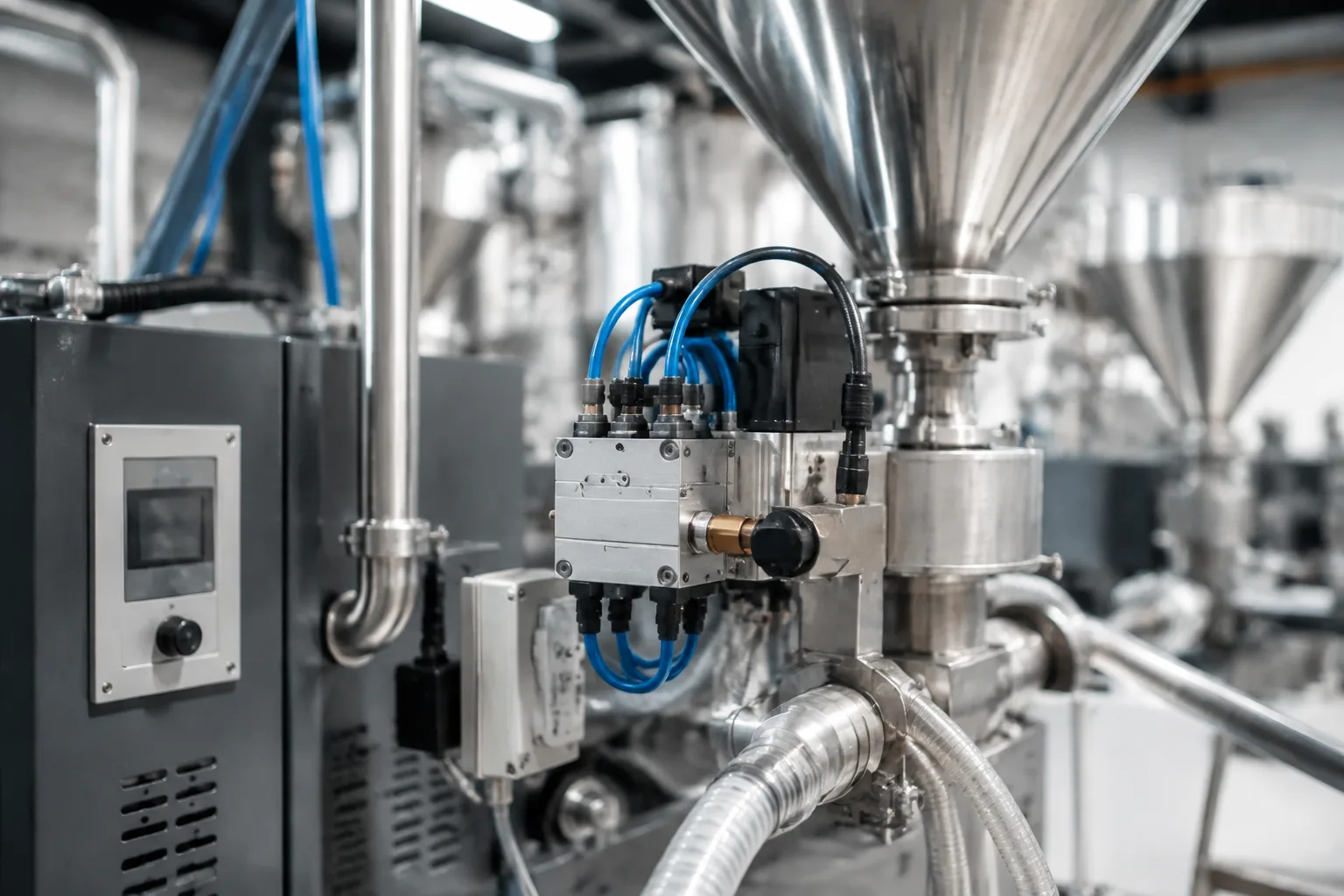
Water units are usually the more economical choice and suit most injection molding and extrusion work, while oil units cost more but reach higher temperatures. The table below summarizes the practical differences buyers weigh when comparing quotes.
| Factor | Water type unit | Oil type unit |
|---|---|---|
| Typical working temperature | Up to around 90–180 °C depending on pressurization | Up to around 300 °C in typical designs |
| Relative purchase cost | Lower — simpler circuit and standard components | Higher — high-temperature pump and expansion system |
| Running cost | Low medium cost, good heat-transfer efficiency | Higher medium cost, periodic oil replacement |
| Typical applications | Injection molding, extrusion, general tooling | Die casting, high-temperature composites, thermoset processing |
| Maintenance | Scale management and water treatment needed | Oil condition monitoring and replacement |
If your process temperature stays within the water unit’s range, specifying oil capability you do not need is one of the most common sources of overspending.
How should you size the controller before requesting quotes?
Size the unit from mold heat load, channel geometry, and distance from the machine, then confirm the heater and pump class with the supplier. Buyers who provide this data receive tighter, more comparable quotations.
- Estimate heat load from shot weight, cycle time, and material, or ask the supplier to calculate it.
- Confirm required flow rate and pressure so the pump can maintain turbulent flow through the mold channels.
- State the target temperature and whether it must be held within a narrow band, since this determines whether PID or PLC control is appropriate.
- Note the ambient and installation conditions, including available power supply voltage and frequency at your site.
Which control options justify a higher price?
PLC-based control with a touchscreen HMI justifies its premium when you need recipe storage, alarm history, or communication with a plant monitoring system. For single-machine duty with a fixed setpoint, a well-tuned PID controller delivers stable temperature at lower cost.
Inverter heating sits between the two: it costs more upfront than fixed heating but reduces energy draw and thermal overshoot, which matters most in continuous or high-cycle operations where electricity is a significant cost line.
How do you compare supplier quotes on a like-for-like basis?
Normalize every quote to the same specification sheet — heater kW, pump kW and flow, control type, wetted materials, and certifications — before comparing prices. Quotes that look cheap often differ on exactly these line items.
- Ask each supplier to quote against one written specification, not their own standard model.
- Confirm what is included: wiring diagrams, spare heater elements and sensors, commissioning support, and documentation language.
- Clarify Incoterms so freight, insurance, and destination charges are visible in the landed cost.
- Request the certification scope in writing rather than assuming a mark covers the complete unit.
- Check lead time and packaging standard, since expedited air freight can erase a unit-price saving.
What should you confirm with the supplier before ordering?
Confirm the temperature range, heater and pump ratings, control system, certification scope, and factory acceptance testing before placing the order. A short technical clarification round at this stage prevents most disputes after shipment.
Ask for a factory test report showing actual heating rate and temperature stability at your setpoint, and agree on the packing method for sea freight. If possible, witness the test remotely or request a video of the unit running at your target temperature.
Ready to compare quotations? Send your mold temperature, heat load, and site power details to receive a specification-matched proposal with a transparent cost breakdown.
Frequently asked questions
Why do quotes for similar-looking water units vary so much?
Quotes differ because heater power, pump class, control type, and certification scope are often not stated consistently. Two units with the same footprint can carry very different heater kW, pump head, and wetted-material specifications, so always compare against one written specification sheet.
Is a water type unit always cheaper than an oil type unit?
For comparable heater and pump ratings, water units are generally cheaper because they use simpler circuits and standard components. However, a heavily specified water unit with PLC control and inverter heating can cost more than a basic oil unit, so compare complete specifications rather than medium type alone.
Does inverter heating reduce the total cost of ownership?
In most continuous production settings, yes. Inverter heating reduces energy consumption and temperature overshoot, lowering running cost over the unit’s life. The upfront premium is usually recovered fastest in high-cycle operations where the controller runs near full duty for long shifts.
What information should I send when requesting a price?
Send your target mold temperature, estimated heat load or mold details, required flow and pressure, site power supply, and any certification requirements. Suppliers can then quote a correctly sized unit, and you avoid paying for capacity your process does not need.
Last updated: October 28, 2026