
Mold Temperature Controller Commissioning Checklist
Commission a mold temperature controller with a written record of circulation, temperature checks, sensor status, alarms, and optional communications.

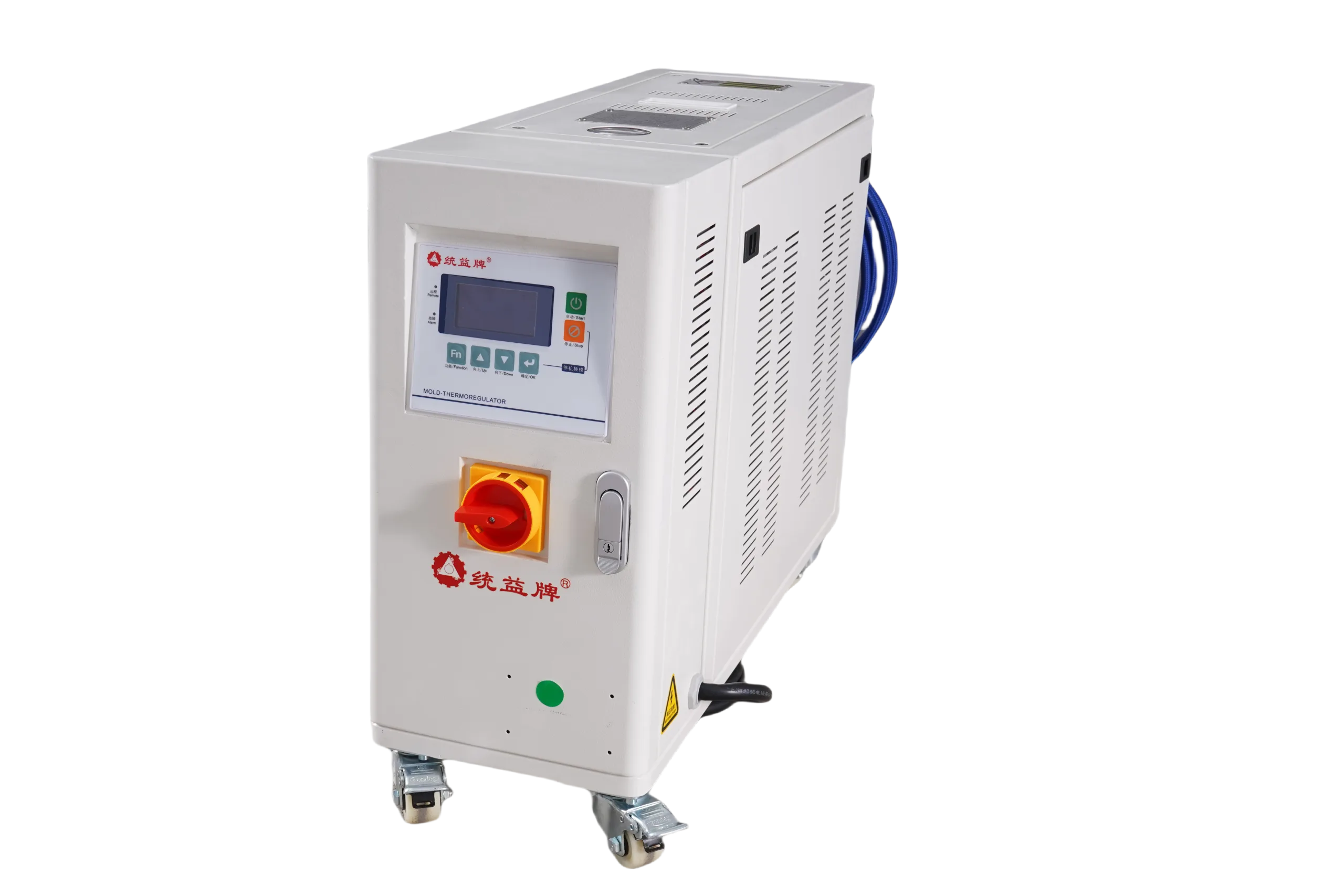
A commissioning checklist records checks of water supply, circulation, temperature adjustment, and recirculation against the manual. Completing the checklist does not by itself establish that every function meets the process acceptance criteria.
Why does a structured commissioning checklist matter?
Commissioning records the checks completed on the installed equipment. Actual results depend on site readiness, the connected mold circuit, settings, and the acceptance criteria in the manual and process specification.
For commissioning technicians and process engineers, a checklist also creates a signed record. When a process window drifts weeks later, you can show which functions were verified, when, and against what reference in the manual — a significant advantage in supplier conversations and quality audits.
What should you verify before energizing the unit?
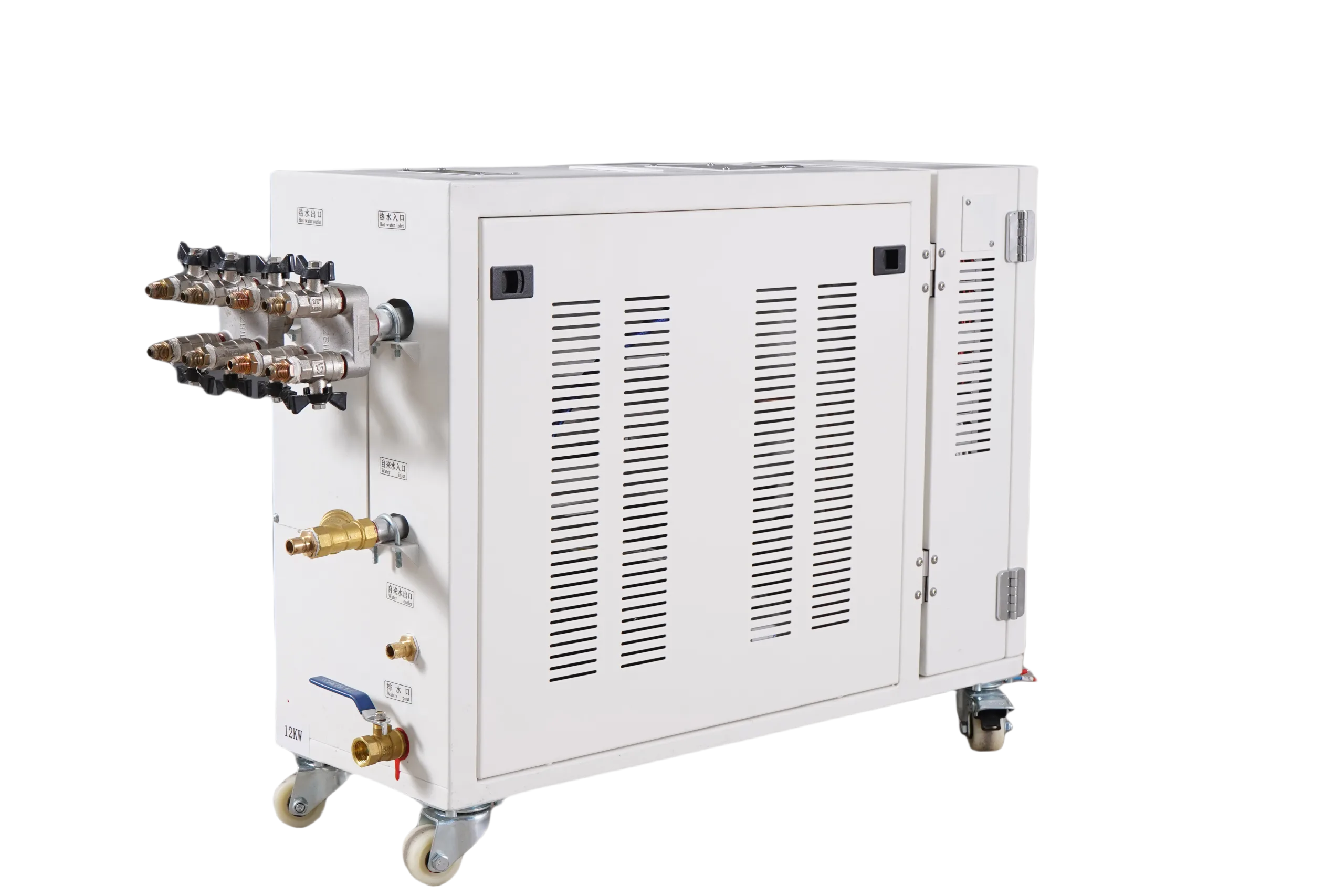
Pre-power checks cover the utilities and the installation, not the controller itself. Confirm the following before the first start-up:
- Water supply: verify that the makeup water connection is open, filtered, and at the pressure stated in the equipment manual. Confirm the reservoir or expansion tank is filled.
- Piping: check that supply and return lines are connected to the correct mold circuits, with no cross-connections, and that shutoff valves are fully open.
- Electrical: confirm supply voltage and phase match the nameplate, and that grounding is complete.
- Leak check: pressurize the circuit with water only and inspect every joint before the heater is energized.
- Documentation: have the manual on hand — every acceptance step below should be traced to the manufacturer’s stated values, not to assumptions.
Which functions must the checklist confirm on the TMC Series workflow?
Use the published workflow—water supply, pump circulation through the heater and mold, automatic temperature adjustment, and recirculation—as a checklist. Follow the model manual for the correct startup sequence and checks.
The practical way to do this is a phase-by-phase table that the technician signs off as each step is demonstrated:
| Phase | Function verified | What to confirm |
|---|---|---|
| 1. Water supply | Makeup and fill | Supply valve open, water quality per manual, circuit filled and vented |
| 2. Circulation | Pump through heater and mold | Flow through both heater and mold circuit, no air pockets, stable pump operation |
| 3. Control | Automatic temperature adjustment | Setpoint entered, controller reacts to the K-type probe reading, heater cycles per control logic |
| 4. Recirculation | Continuous loop | Steady recirculation between unit and mold, no flow alarms, temperature holds at setpoint |
Do not invent acceptance limits for flow rate, pressure, or temperature deviation during this step. Acceptance criteria come from the equipment manual and your own process specification — the checklist’s job is to prove the functions work, then record the readings.
How do you verify the K-type probe and RS485 communication?
The TMC Series lists a K-type thermocouple probe. Check its installation and displayed reading using the location and procedure specified by the equipment manual; do not assume it is the only temperature measurement used by the full process.
If RS485 is part of the order, confirm the supported functions, communication parameters, wiring, and host compatibility from the supplier documentation. Verify the connection using the approved commissioning procedure; do not assume specific settings or data points.
What does a proper sign-off record look like?
A complete commissioning record for a mold temperature controller should capture, at minimum:
- Date, unit identification, and the technician performing the check
- Confirmation of each TMC Series workflow function in the order above
- Actual readings taken during the run (supply conditions, flow observations, setpoint versus displayed temperature)
- The manual reference used for each acceptance step
- Any deviations found and how they were resolved
File the commissioning record with the machine documentation. It can help later technicians see which settings and checks were completed, subject to the accuracy and completeness of the record.
How does commissioning quality affect your sourcing decision?
When you evaluate suppliers, the commissioning experience is a direct read on their service capability. Before awarding an order, ask prospective suppliers these questions:
- Does the manual clearly document the start-up workflow, the probe installation, and RS485 settings you will need to verify?
- Do they provide a commissioning checklist or support remote technical guidance during start-up?
- What is their response path when a commissioned function does not behave as documented?
A supplier who can walk your technician through water supply, circulation, control, and recirculation verification confidently is far more likely to support you well after delivery. Include your plant’s water quality, voltage, and communication requirements in every quote request so the delivered unit matches the installation you have prepared.
Frequently asked questions
How long does commissioning a mold temperature controller take?
Commissioning time depends on site readiness, the connected mold circuit, and any issues found. Use a checklist to record the work and agree the schedule with the supplier or commissioning team; do not rely on a generic time estimate.
Do I need to verify RS485 if I don’t use central monitoring yet?
If RS485 communication is included, record the address and communication settings specified for the installation and verify them using the equipment manual and host-system procedure. If it is not included, note that in the commissioning record.
What acceptance values should I use for temperature deviation?
Use only the values stated in the equipment manual and your process specification. The commissioning checklist verifies that automatic temperature adjustment functions and that the K-type probe responds correctly; it is not the place to impose numerical limits the manufacturer has not documented.
Who should sign the commissioning checklist?
The commissioning technician who performed the checks, countersigned by the process engineer responsible for the molding cell. Dual signature ties the equipment verification to the process release, giving you a clean handover record for production and future audits.
See the Water Type Mold Temperature Controller TMC Series page for the published model specifications.
Last updated: October 30, 2026