
Water Type Small Mold Temperature Controller Price
Heater power, pump specification, control type and certifications determine the price of a water type mold temperature controller, and this guide shows.

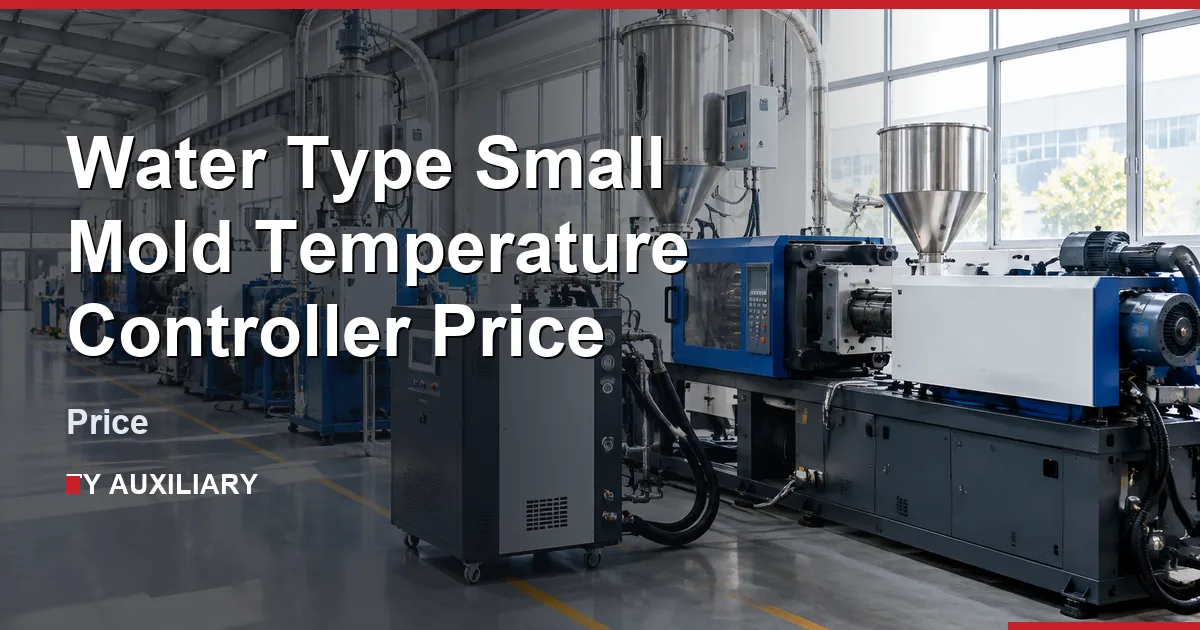
A water type mold temperature controller circulates pressurized water through the mold to hold a stable process temperature, typically up to 90–180 °C depending on pump pressure and heater design. For small injection molds, pricing is driven by heater power, pump specification, control type and certifications rather than by the machine’s compact footprint.
What actually determines the price of a water type mold temperature controller?
The visible price gap between two seemingly similar units usually comes down to five cost drivers, not to build quality alone. Understanding them lets you compare quotes on a like-for-like basis instead of guessing which supplier is overcharging.
- Heat-transfer medium: water units cost less than oil units of the same capacity because they need lower pressure ratings, simpler sealing and no oil-expansion tank. Oil systems are only necessary above roughly 180 °C.
- Heater power class: a 6 kW heater costs noticeably less than a 9 or 12 kW unit. Oversizing the heater to “be safe” is a common and avoidable budget error.
- Pump power and head: high-head pumps for multi-cavity or high-flow molds add cost. Match pump curve to your actual circuit resistance, not to a bigger-is-better assumption.
- Control type: a basic PID controller keeps temperature within ±1 °C, which is sufficient for most molding work. PLC-based control with touchscreens, data logging and multi-zone management adds meaningful cost.
- Inverter heating: variable-frequency heating reduces energy consumption on long production runs but raises the initial price. It typically pays back on machines running multiple shifts.
Export-specific factors also shift the landed cost: CE or other market certifications, seaworthy packaging, and freight terms (EXW versus CIF) can move a quote by a double-digit percentage before the equipment itself differs at all.
How should you size a unit for small molds before requesting quotes?
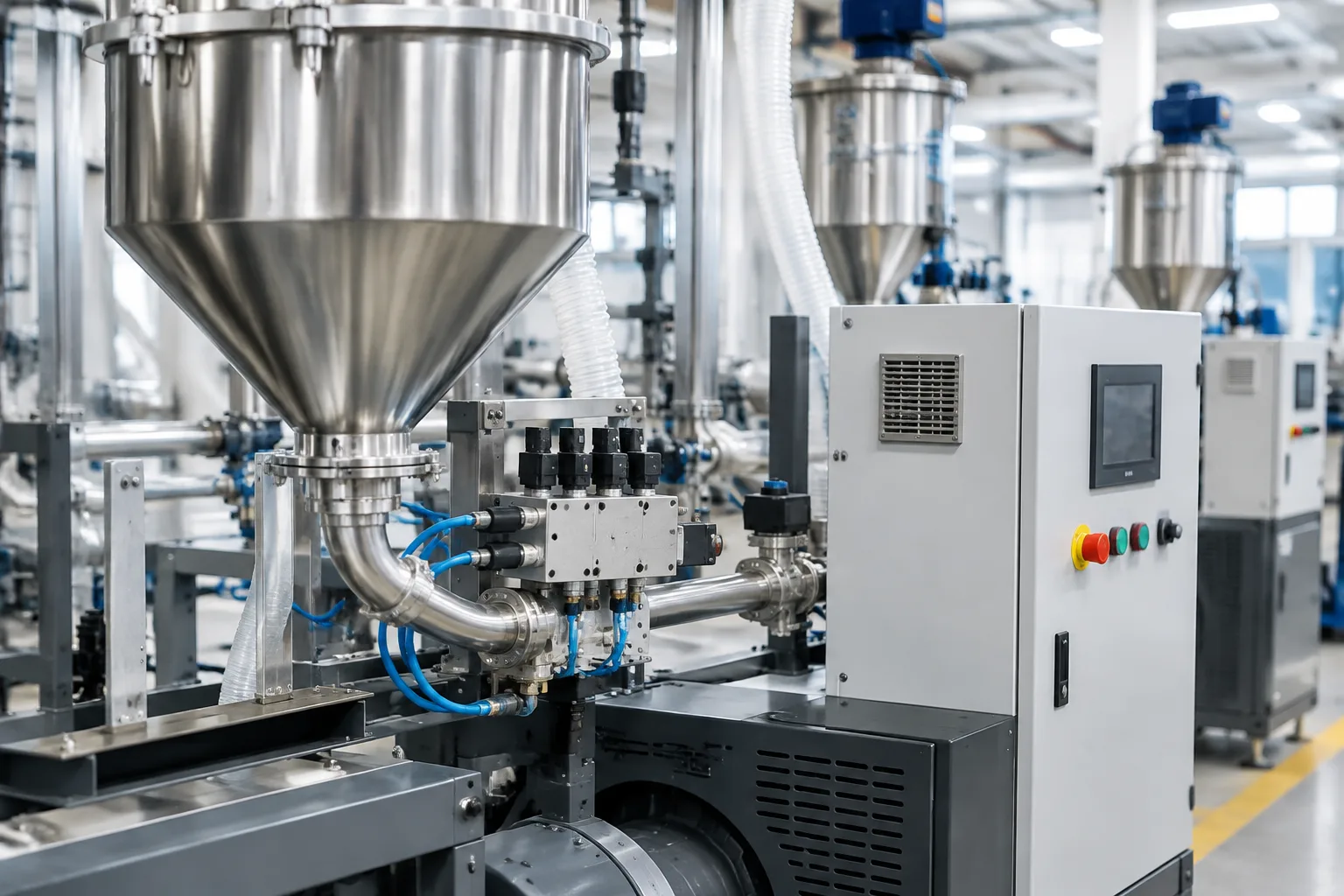
Size the controller from your mold’s heating demand, not from the tonnage of the injection machine. Suppliers can calculate this for you if you provide four data points: mold weight, desired process temperature, throughput or cycle time, and the cooling water temperature available at your facility.
As a practical screening step, small molds on machines up to a few hundred tons most often fall in the 6–12 kW heater range with water as the medium. If your target temperature stays below 95 °C at standard pressure, or up to 140–180 °C with a pressurized pump system, water remains the correct and more economical medium. Specify oil only when the process genuinely requires higher temperatures.
Which control configuration makes sense for your application?
PID control is the right choice for most single-zone applications: it is reliable, easy to service anywhere in the world, and keeps your spare-parts and training costs low. PLC control earns its premium when you need multi-machine supervision, recipe storage, alarm history or integration with a central monitoring system.
| Feature | PID control | PLC control |
|---|---|---|
| Typical accuracy | ±1 °C | ±1 °C or better |
| Multi-zone management | No | Yes |
| Data logging / monitoring | Limited or none | Available |
| Operator training needed | Minimal | Moderate |
| Relative cost | Lower | Higher |
If you are equipping a single small molding cell, a PID-based water type mold temperature controller is usually the rational specification. Reserve PLC investment for lines where traceability or centralized control is a real requirement.
What should you check when comparing supplier quotes?
Quotes that look cheapest at first glance often differ in what is actually included. Before comparing numbers, normalize every offer against this checklist:
- Heater and pump power stated explicitly, not just a model number.
- Maximum operating temperature and pressure at the pump outlet.
- Contact materials in the water circuit (stainless versus plated components) for corrosion life.
- Safety features: low-water protection, over-temperature cutoff, pump overload.
- Certifications required for your market, confirmed in writing.
- Export packaging standard and Incoterms, so freight does not surprise you later.
- Warranty scope and availability of wear parts such as heaters, pumps and seals.
Ask each supplier to quote against the same specification sheet. This single discipline removes most of the ambiguity in cross-border procurement of temperature control equipment.
How do you evaluate a supplier before committing to an order?
Request the actual nameplate data and, where possible, photos or video of the unit running at your target temperature. A capable manufacturer will answer sizing questions with calculations, not adjectives. Ask how long they have produced water-based temperature control units specifically, since the pressure-vessel and sealing design differs from oil systems.
For overseas buyers, practical signals matter more than brochures: response time on technical questions, willingness to customize heater power or pump head, clarity on packaging and lead times, and a named contact for after-sales support. Confirm which parts are standard stock items so downtime in your plant does not depend on international shipping of a bespoke component.
What are the next steps to get an accurate price?
Prepare a short requirement sheet — mold data, target temperature, available utilities, required certification and destination port — and send it to two or three manufacturers for parallel quotes. Comparing normalized offers against the cost drivers above will quickly reveal which supplier has priced honestly and which has padded the specification. Request a formal quotation with full technical parameters, and ask for a factory acceptance test at your process temperature before shipment.
Frequently asked questions
How hot can a water type mold temperature controller run?
Standard water units typically operate up to about 95 °C at atmospheric pressure. Pressurized water systems with high-head pumps reach roughly 140–180 °C. Above that range, an oil-based unit is the appropriate medium because water would require excessive pressure.
Why choose water instead of oil as the heat-transfer medium?
Water offers better heat-transfer efficiency, lower equipment cost, simpler maintenance and no fire risk or oil-disposal expense. For molding processes below roughly 180 °C, water units deliver equivalent temperature stability at a lower total cost of ownership.
Does inverter heating justify its higher cost?
For machines running long, continuous production campaigns, inverter heating reduces energy draw by matching heater output to actual demand. For short runs or intermittent operation, the payback period lengthens and standard heating is usually the more economical choice.
What information do suppliers need to quote accurately?
Provide mold weight and material, target process temperature, cycle or throughput data, available cooling water temperature, required certifications, and destination port. With these inputs, a competent supplier can size heater and pump power correctly and quote a complete export package.
Last updated: October 28, 2026