
Water Type Dual Temperature Mold Temperature
Understand the cost drivers behind a water type mold temperature controller, from heater power and pump configuration to control type, and learn how.

A water type mold temperature controller circulates pressurized water through mold channels to hold a stable tooling temperature, typically in the 90–180 °C range depending on pump pressure and heater design. For procurement teams comparing quotes, the final price is driven far more by heater power class, pump configuration, and control type than by list price alone, so understanding these cost drivers is the fastest way to evaluate whether a quotation is competitive.
What determines the price of a water type mold temperature controller?
The single biggest cost factor is the heat-transfer medium and the operating temperature it implies. Water units are generally less expensive than oil units because water offers better heat-transfer efficiency, allowing smaller heaters and heat exchangers for the same duty. Beyond the medium, five line items dominate the quotation:
- Heater power class: higher kW heaters (for example, moving from a 9 kW to a 12 kW or 18 kW class) add cost in heating elements, contactors, and wiring.
- Pump power and pressure rating: high-temperature water units need pressurized pumps to keep water from flashing to steam; a higher head pump raises both component and freight cost.
- Control type: a basic PID controller is economical, while a PLC-based system with touchscreen HMI, multi-zone control, and data logging sits higher in the range.
- Inverter (variable frequency) heating and pumping: inverter-driven designs cost more upfront but reduce energy consumption under partial load, which matters for plants running long shifts.
- Certifications, packaging, and freight: destination-market compliance documentation, seaworthy crating, and shipping terms can move the landed cost meaningfully, especially for full-container versus LCL shipments.
How does a dual temperature controller justify its premium over a single-zone unit?
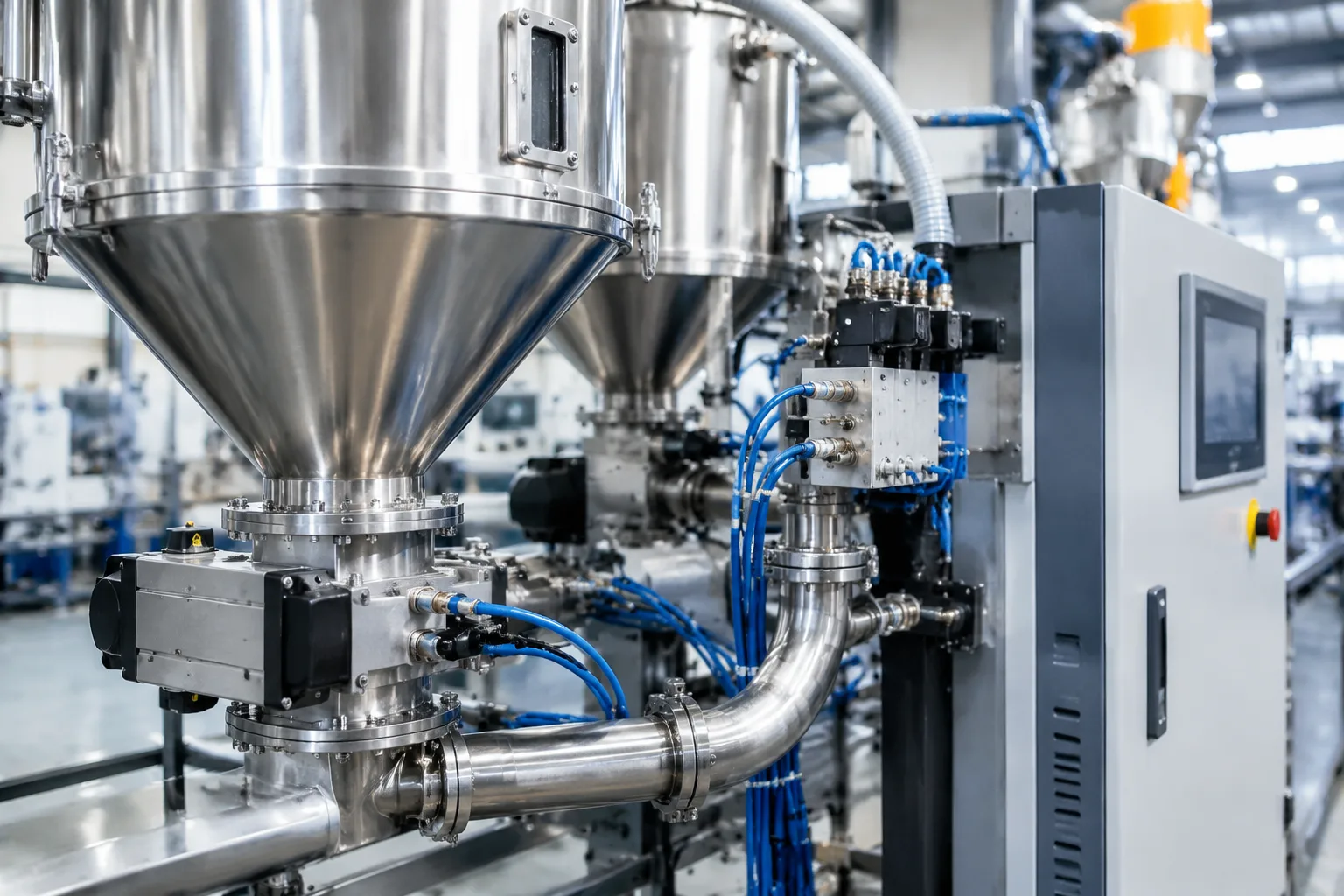
A dual temperature unit houses two independent pumping and heating circuits in one frame, so a single machine can serve two molds at different setpoints, or both the cavity and core sides of one mold. For buyers running multi-cavity or two-plate tools with differing core/cavity requirements, this eliminates a second standalone unit, a second set of plumbing connections, and duplicated floor space. The upfront cost is higher than a single-circuit unit, but the comparison should be made against the total cost of purchasing and installing two separate machines, not against one.
Which specification choices matter most when comparing quotes?
Insist that every supplier quotes against the same specification sheet, otherwise the numbers are not comparable. The table below summarizes the configuration choices that most affect both performance and cost:
| Specification | Standard option | Higher-cost option | When the upgrade pays off |
|---|---|---|---|
| Control system | PID temperature control | PLC with touchscreen HMI and multi-zone control | Automated lines needing recipe storage, alarms, and remote monitoring |
| Heating method | Fixed-resistance heating | Inverter-controlled heating | High-duty cycles where energy savings offset the higher initial cost |
| Pump configuration | Standard circulation pump | High-pressure pump for elevated water temperatures | Molds requiring setpoints approaching the upper water-unit range |
| Circuit layout | Single temperature zone | Dual independent zones | Two-plate molds or two machines served by one controller |
When you receive quotes, ask each supplier to state the heater kW, pump motor kW, maximum operating temperature, and control type explicitly. A quote that omits these almost always hides a lower-spec machine behind an attractive number.
What should overseas buyers check before placing an order?
Beyond the specification sheet, verify four things that commonly cause problems in cross-border procurement:
- Voltage and frequency compatibility: confirm the unit matches your plant supply (for example, 3-phase 415 V / 50 Hz or 460 V / 60 Hz) before the order is finalized.
- Documentation for destination compliance: request the electrical drawings, wiring diagrams, and any conformity paperwork your market requires early, not after shipment.
- Water quality requirements: water units are sensitive to scale; clarify whether the supplier recommends filtered or treated water and what maintenance interval they specify for the heater tank and pump seals.
- Packaging and shipping terms: seaworthy plywood crating and clear Incoterms (FOB, CIF, DAP) should appear in the quotation, since freight for an industrial machine can be a significant share of landed cost.
How do you evaluate a supplier’s capability before committing?
Ask for evidence rather than claims. Request factory photos or a live video walkthrough of the assembly and testing area, and ask whether every unit is run-tested at temperature before packing. A capable manufacturer can provide a test report showing the unit reaching setpoint and holding it under circulation. Check response quality during the quotation stage itself: a supplier who answers specification questions precisely, offers configuration options instead of one fixed model, and states lead times and spare-part availability in writing is far more likely to support you after delivery. Finally, ask about spare parts for consumable items such as pump seals and heater elements, because long-lead components are the most common cause of downtime on imported units.
How should you structure an inquiry to get an accurate quotation?
The fastest way to a comparable, realistic price is to send a complete application brief. Include: the molding process (injection, die casting, extrusion, or rubber), the mold material and weight, the required mold temperature at the cavity and core, the number of zones needed, your plant power supply, and any control-system integration requirements (for example, connection to a central monitoring system). With this information, a supplier can propose the correct heater power class, pump rating, and single or dual circuit layout in the first quotation, which shortens the negotiation cycle and reduces the risk of a machine that is undersized for your tooling.
Frequently asked questions
What is the typical operating temperature range of a water type mold temperature controller?
Standard water units typically operate up to around 90–95 °C at atmospheric pressure, while pressurized high-temperature water models reach approximately 120–180 °C. Above that range, oil-type units become the appropriate choice because oil does not flash to steam at high temperatures.
Is a dual temperature controller worth the extra cost?
It is worth it when your molds require different temperatures on the core and cavity sides, or when you need to serve two machines with different setpoints. Compare its cost against buying and installing two separate single-zone units, including plumbing, wiring, and floor space.
Does inverter heating reduce running cost enough to justify the higher price?
For continuous production with frequent partial-load periods, inverter heating and pumping can noticeably cut energy consumption because output matches actual demand. For intermittent or light-duty operation, the savings are smaller and a standard fixed-heating design may be the more economical choice.
What information should I include in a quotation request?
State your process type, required mold temperature for each zone, number of zones, mold and machine sizes, plant voltage and frequency, and any integration or compliance requirements. Complete inquiries receive accurate first-round quotes and avoid costly specification mismatches later.
Last updated: October 29, 2026