
Industrial Mold Temperature Controller Price Guide
The price of an industrial mold temperature controller depends on the heat-transfer medium, heater power class, pump specification, and control type.

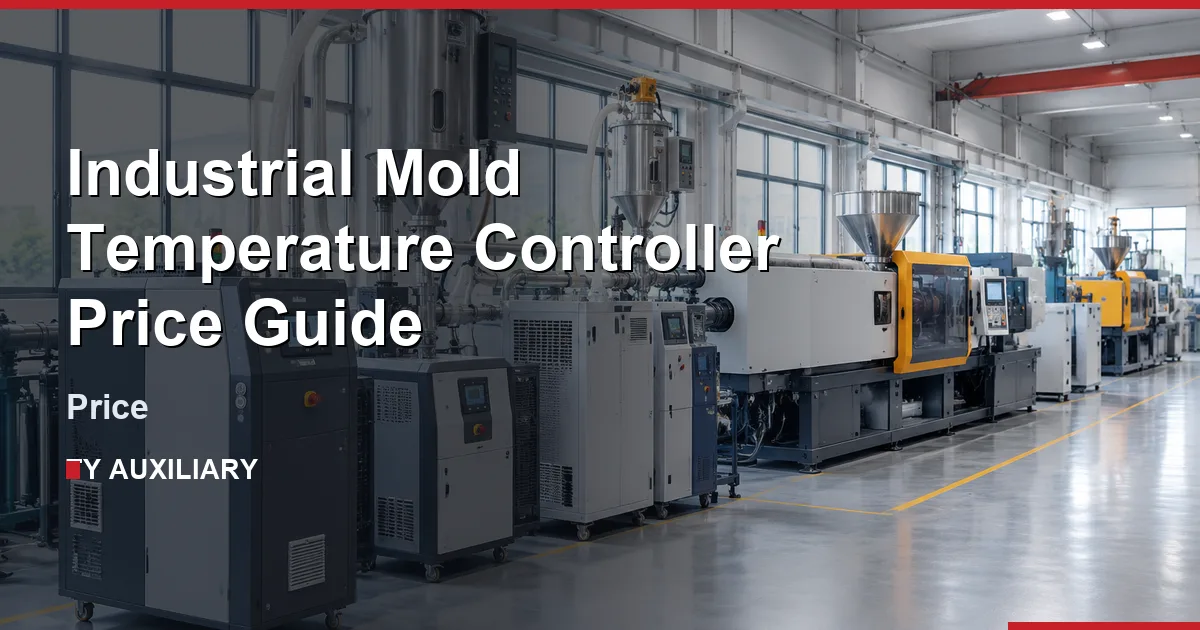
The price of an industrial mold temperature controller is driven mainly by its heat-transfer medium, heater power class, pump specification, and control type—water units cost less than oil units at the same capacity, and PID-based controllers cost less than PLC-based systems. Understanding these cost drivers lets you compare quotes on a like-for-like basis before committing to a purchase.
What actually drives the price of a mold temperature controller?
The medium choice is the single largest cost lever. Water units are simpler and cheaper; oil units require higher-temperature pumps, larger expansion circuits, and more robust sealing, which raises cost across the board.
- Heat-transfer medium: water units typically serve molds up to around 90–180 °C operating windows in standard configurations, while oil units extend beyond that range at a premium.
- Heater power class: higher kilowatt ratings mean heavier heating elements, larger contactors or SSRs, and bigger cabinets.
- Pump power: high-flow or high-pressure pumps for large molds or long hose runs add measurable cost.
- Control type: a PID controller handles single-zone duty economically; a PLC with HMI, multi-zone management, or remote communication raises both hardware and engineering cost.
- Inverter (variable-frequency) heating: improves energy efficiency and temperature stability but adds inverter hardware cost, usually recovered in running costs on high-duty production.
- Certifications: CE, UL, or other market-specific approvals affect component selection and testing effort.
- Packaging and freight: export-grade crating and sea or air freight can be a non-trivial share of landed cost for overseas buyers.
How should buyers compare quotes from different suppliers?
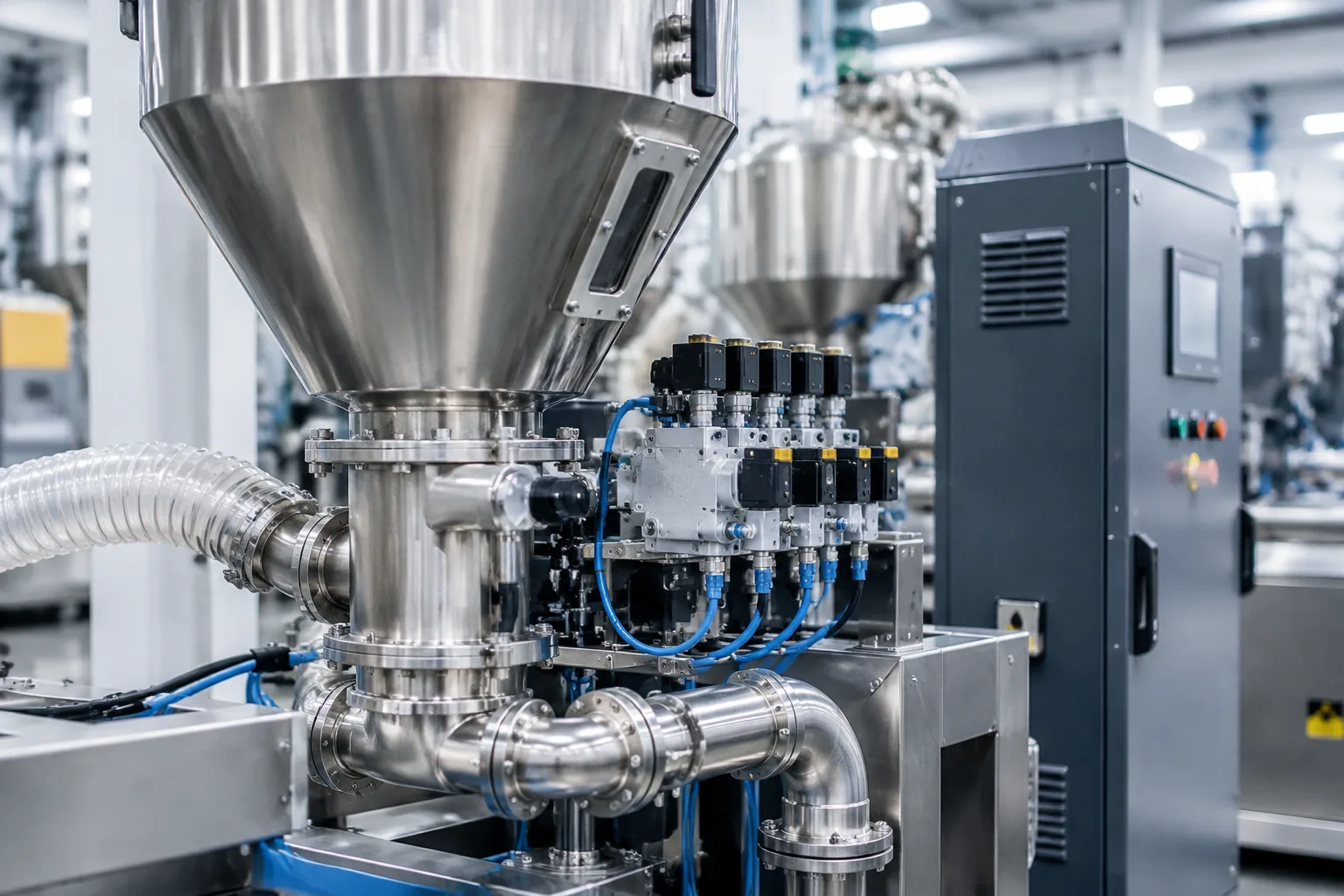
Compare quotes only when the technical baseline is identical. A lower quote frequently reflects a smaller heater, a lower-grade pump, or a reduced control scope rather than a better deal.
| Specification | Quote A | Quote B |
|---|---|---|
| Medium | Water | Oil |
| Heater power | 9 kW | 12 kW |
| Pump power | 0.75 kW | 1.5 kW |
| Control | PID | PLC + HMI |
| Inverter heating | No | Yes |
| Certification | CE | CE + UL components |
| Freight terms | FOB | CIF |
Normalize freight terms first (FOB versus CIF changes landed cost), then verify heater and pump ratings line up. Ask each supplier to state operating temperature range, pump flow and pressure, and control features in writing.
Should you choose a water or oil mold temperature controller?
Choose water if your process temperature stays within the typical 90–180 °C window and your mold design supports water circulation; choose oil when you need higher mold temperatures or faster thermal response at elevated setpoints. Water units are cheaper to buy, easier to maintain, and safer to service. Oil units justify their premium only when the process genuinely demands higher temperatures—specifying oil for a water-capable application is a common overspend.
When is a PID controller enough, and when do you need a PLC?
A PID controller is sufficient for single-zone, fixed-setpoint molding where an operator adjusts settings manually. Choose a PLC-based system when you need multi-zone management, recipe storage, data logging, remote monitoring, or integration with a central plant controller. The control upgrade is often the fastest-growing line item in a quote, so define your automation scope before requesting prices—paying for PLC capability you will never use is the most avoidable cost in this product category.
How do inverter heating and certifications affect cost?
Inverter-driven heating modulates output instead of switching fully on and off, which improves temperature stability and reduces energy consumption on continuous production. Expect a higher purchase price that typically pays back through lower running costs on high-duty lines. Certifications work the other way: they are a compliance cost, not a performance feature. Specify only the approvals your market genuinely requires—ordering UL compliance for a non-UL market adds cost without adding value.
What is the practical next step before requesting a quote?
Prepare a one-page requirement sheet: medium, required mold temperature, heater power class, pump flow and pressure, control scope (PID or PLC), inverter option, required certifications, and destination port for freight calculation. Send the same sheet to every supplier so all quotes arrive on an identical technical baseline, then evaluate them on specification, not just the number at the bottom. This single step eliminates most of the ambiguity that causes overseas buyers to overpay or receive undersized equipment.
Frequently asked questions
Why do quotes for similar controllers vary so widely?
Differences usually come from heater power, pump grade, control scope, and certification requirements, not brand markup alone. A quote missing these specifications cannot be compared fairly. Always require written operating ranges and component details before judging price.
Does inverter heating justify the extra cost?
For continuous, high-duty production it usually does, because it cuts energy use and improves temperature stability. For intermittent or low-duty molding, a standard fixed-output heater is typically the more economical choice.
How much does freight add to the total cost?
It depends on machine size, packaging type, and destination. Export crating plus sea freight can add a meaningful share to landed cost, so always request quotes on consistent terms—FOB and CIF prices are not directly comparable.
Can one controller serve multiple temperature zones?
Only if it is configured as a multi-zone or PLC-based unit with independent control loops. A single-zone PID controller manages one circuit, so confirm zone count and independence when comparing control-scope pricing.
Last updated: October 29, 2026