
Injection Molding Mold Temperature Controller Price
Understanding how medium, heater power, pump specification, and control type shape injection molding mold temperature controller price helps overseas.

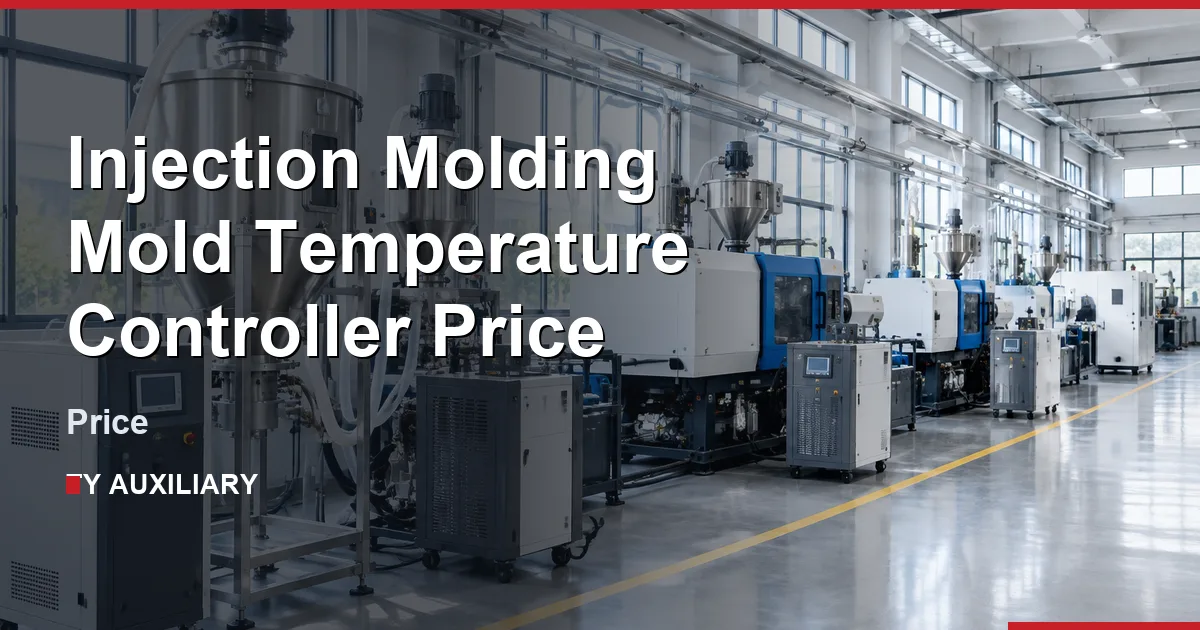
The price of an injection molding mold temperature controller is driven mainly by the heat-transfer medium, heater power class, pump specification, and control system rather than by a single list figure. Water-type units typically cover mold temperatures up to about 90–120 °C, while oil units reach 90–180 °C or higher, and this medium choice is usually the largest single cost split.
What actually drives the price of a mold temperature controller?
The heat-transfer medium is the first and biggest divider between quotes. A water unit and an oil unit of similar heating capacity are not like-for-like products, and comparing them on price alone is misleading.
- Heat-transfer medium: water units are simpler and suit most molding up to roughly 120 °C; oil units handle higher temperatures and cost more because of the medium, seals, and safety design.
- Heater power class: higher kW heating shortens heat-up time for larger molds and higher throughput, and moves the unit into a higher price bracket.
- Pump power and flow: adequate circulation at the mold is what delivers temperature uniformity; undersized pumps look cheaper but often cause process instability.
- Control type: basic PID control suits single-zone applications, while PLC-based control supports multi-zone management, data interfaces, and integration with central monitoring.
- Inverter (variable-frequency) heating: reduces energy consumption and temperature fluctuation, adding cost up front but lowering running expense.
Water or oil medium: how should buyers choose?
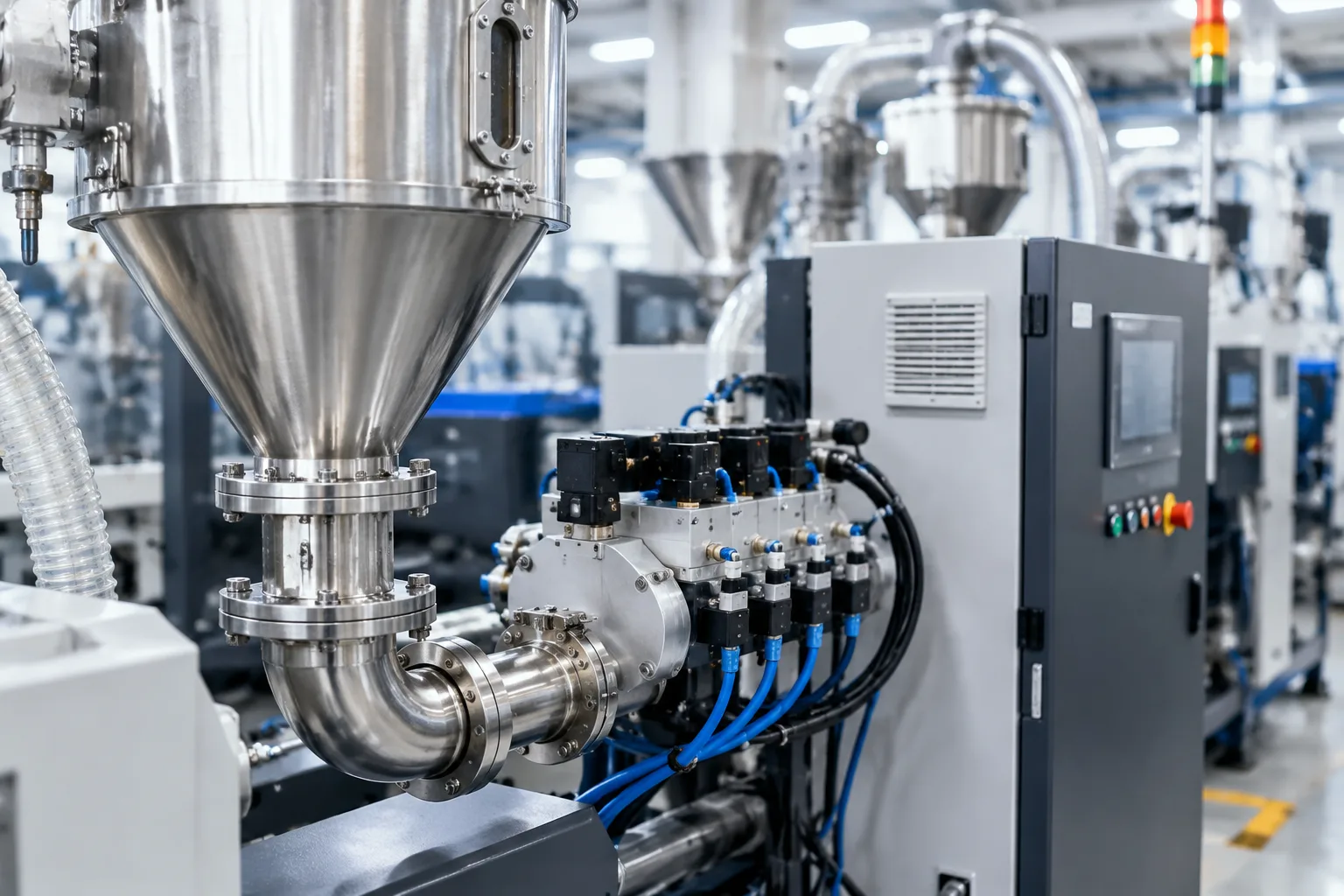
Choose water when your process temperature stays below about 120 °C and clean, efficient heat transfer matters; choose oil when molding temperatures run higher or the material window demands it. Medium selection should follow your resin and mold requirements, not the other way around.
| Factor | Water-type unit | Oil-type unit | Inverter-heated unit |
|---|---|---|---|
| Typical working range | Up to ~120 °C | 90–180 °C and above | Per medium, with tighter control |
| Relative cost position | Lower | Higher | Higher than fixed-speed equivalent |
| Best suited to | General molding, packaging, thin-wall | Engineering resins, optical parts | Energy-sensitive, high-precision work |
| Key trade-off | Limited temperature ceiling | Medium maintenance and handling | Upfront cost vs energy savings |
Why do quotes for similar units differ so much between suppliers?
Quotes differ because suppliers configure heater kW, pump power, control platform, and build standards differently for the same temperature rating. A lower quote often reflects a smaller pump, lower heater class, or basic PID where a PLC and inverter were specified, so the units are not comparable.
Certification requirements also affect cost. Units built to meet CE requirements, for example, include compliant electrical components, documentation, and safety features that a domestic-standard build may omit. Freight packaging, especially export-grade crating for sea shipment, is another legitimate line item that separates serious export suppliers from opportunistic quotes.
How should procurement teams compare quotes on a like-for-like basis?
Build a specification sheet first, then score every quote against it line by line. Request each supplier to confirm the same items rather than comparing their standard catalogs.
- Heating power (kW) and pump power (kW) with flow rate and lift
- Working temperature range and the medium used (water or oil)
- Control type: PID or PLC, number of zones, communication interfaces
- Whether inverter heating is included and how it affects energy use
- Certification scope, language of manuals, and spare-parts availability
- Export packaging method, Incoterms, and lead time
A quote checklist keeps discussions technical and prevents the lowest number on paper from becoming the most expensive unit in the plant.
Which total-cost factors matter more than the purchase price?
Energy consumption, temperature stability, and service response dominate lifetime cost. An inverter-heated controller may carry a higher purchase price but recover the difference through lower electricity draw, especially on multi-shift operations. Stable control reduces scrap and cycle variation, which for many molders outweighs the equipment price entirely over a year of production.
Also weigh installation support, wiring diagrams, and remote diagnostics. A supplier that documents its units clearly and stocks consumable parts shortens downtime, and that reliability is part of what you are paying for.
What is the right next step before requesting a price?
Send suppliers your actual process data: mold size and weight, target mold temperature, resin type, cycle time, and number of temperature zones. Suppliers who respond with a configured recommendation—medium, heater class, pump, and control platform matched to your data—are the ones whose quotes you can trust. Share your application details and request a like-for-like quotation with the checklist above; comparing configured answers, not list prices, is how procurement teams secure the right mold temperature controller at a fair cost.
Frequently asked questions
Is a water-type or oil-type controller cheaper?
Water-type units are generally the lower-cost option because they operate at lower temperatures with simpler construction. Oil-type units cost more due to higher-temperature components and safety design, but they are necessary when molding requires temperatures above roughly 120 °C.
Does inverter heating justify its higher price?
For multi-shift plants with stable, precise temperature requirements, inverter heating usually justifies itself through reduced energy consumption and tighter control. For intermittent or low-duty operations, a conventional fixed-heating unit may be the more economical choice.
Why is PLC control more expensive than PID?
PLC-based control supports multi-zone management, data logging, and communication with factory systems, which requires more capable hardware and engineering. Simple single-zone PID control is sufficient for basic applications, but PLC control pays off as mold complexity and monitoring needs grow.
How many mold temperature controllers does one machine need?
It depends on the mold: a simple two-plate mold often needs one unit, while multi-cavity or family molds with independent core and cavity requirements may need two or more. Size each unit to the zone’s heating demand rather than sharing one controller across unmatched zones.
Last updated: October 30, 2026