
Large Injection Molding Mold Temperature
Understanding how heat-transfer medium, heater power, pump size, control type, and certification scope drive injection molding mold temperature.

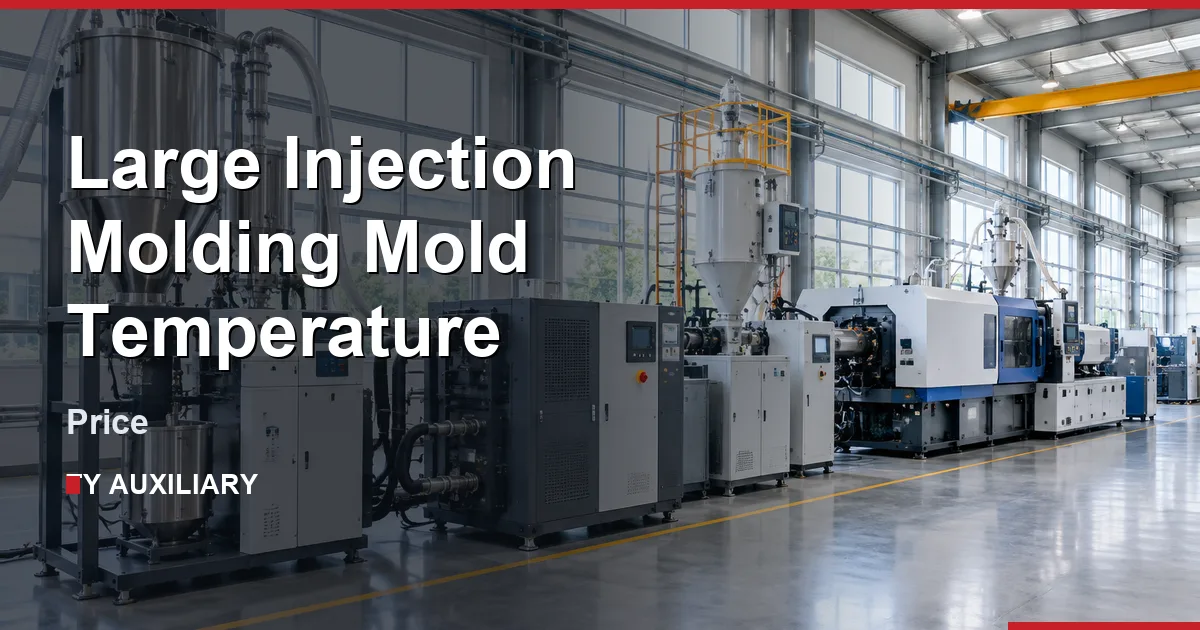
The price of a large injection molding mold temperature controller is driven by five factors: the heat-transfer medium (water or oil), heater power class, pump power, control type, and certification requirements. Quotes from different suppliers can only be compared fairly when all five are matched line by line.
What actually drives the price of a mold temperature controller?
The medium choice is the single biggest cost variable. Water units, which typically operate up to around 180 °C under pressure, are simpler and less expensive than oil units, which reach higher temperatures but require more robust pumps, seals, and piping. Heater power class comes next: a 36 kW heating system costs substantially more than an 18 kW one, and large tonnage presses running thick-walled or high-volume parts generally need the higher class.
Pump power and flow rate add further cost. A controller must deliver sufficient flow through long or multi-circuit mold lines, and higher-flow pumps mean bigger motors, larger housings, and stronger frames.
Water or oil medium: which one should you budget for?
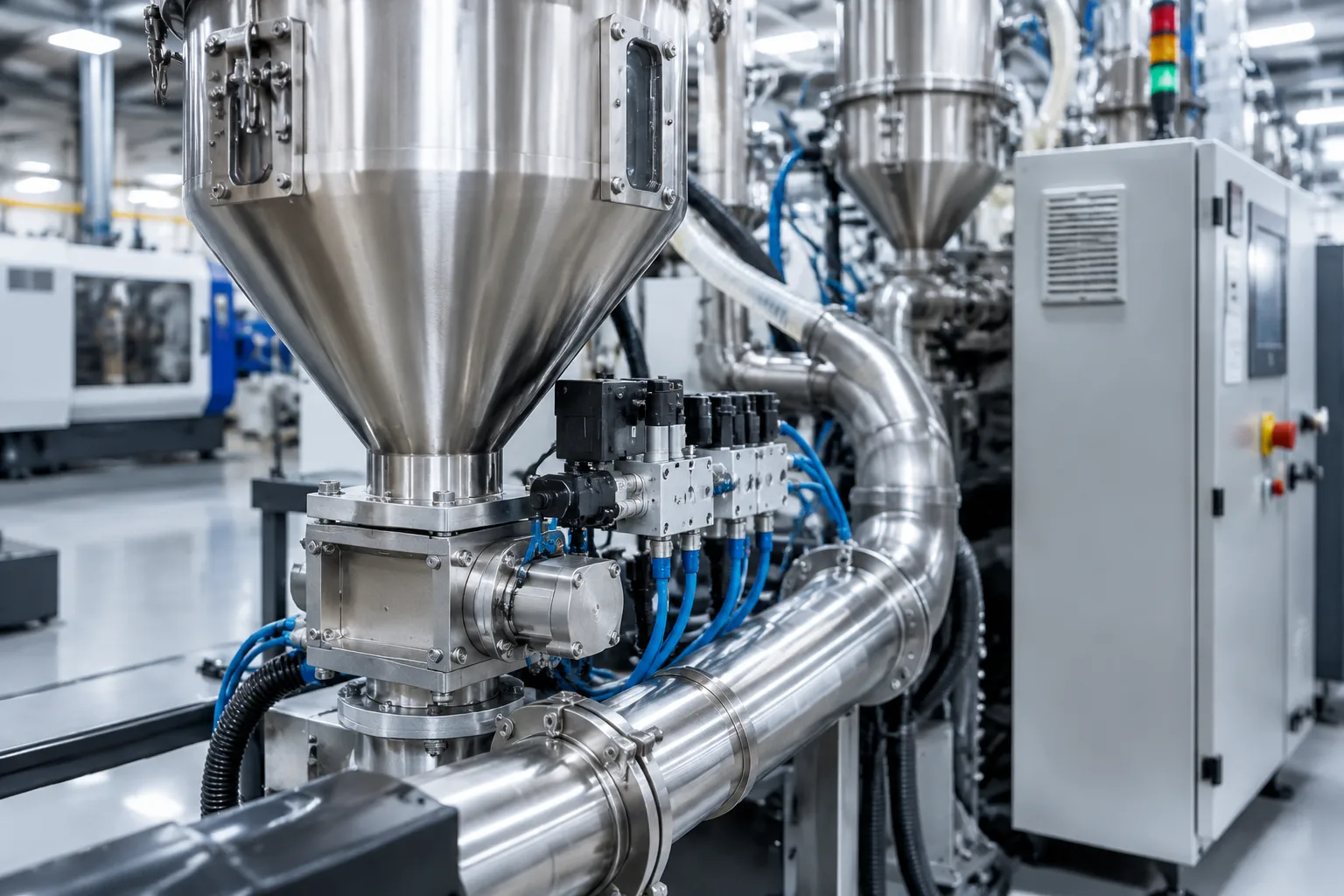
Match the medium to your mold temperature requirement rather than defaulting to oil. Water units are easier to maintain, offer better heat-transfer efficiency, and cover the majority of injection molding applications. Oil units are necessary when process temperatures exceed what pressurized water systems can deliver.
| Factor | Water-based unit | Oil-based unit |
|---|---|---|
| Typical operating range | Up to ~180 °C (pressurized) | ~150–300 °C |
| Heat-transfer efficiency | Higher | Lower |
| Maintenance demand | Lower; scale management | Higher; oil aging and leaks |
| Typical cost position | Lower | Higher |
| Typical use case | Most general molding work | High-temperature engineering resins |
How do control type and heating technology affect cost?
Control electronics separate a quote-topping machine from a commodity one. A basic PID controller holds a setpoint reliably and suits single-circuit molds. A PLC-based system adds multi-zone management, data logging, remote monitoring, and easier integration with plant MES — capabilities that raise cost but pay back in process-consistency-sensitive work such as optical or medical molding.
Heating technology matters too. Standard resistance heating is the baseline; inverter-based heating modulates power to match demand, cutting energy consumption on machines with fluctuating loads. Buyers running two or three shifts should weigh the inverter premium against long-term electricity savings rather than evaluating on purchase price alone.
Which certifications and export requirements add to the quote?
Export-bound equipment carries costs that domestic-market units do not. CE marking for the European market, electrical systems built to destination-voltage standards (380 V/50 Hz versus 460 V/60 Hz, for example), and third-party inspection all add scope. Confirm in writing which certifications are included and which are quoted separately, because this is a common source of quote-to-quote discrepancy.
Packaging and freight complete the picture. Large units typically ship in export-grade wooden crates, and sea freight, insurance, and port charges vary significantly by destination — ask suppliers to quote these as explicit line items so the machine cost itself stays comparable.
How should you compare supplier quotes on a like-for-like basis?
Build a comparison sheet with one row per cost driver and require every supplier to fill every cell. A quote that omits pump power, control type, or included certifications is not cheaper — it is incomplete.
- Heat-transfer medium and maximum operating temperature
- Heater power class (kW) and whether inverter heating is included
- Pump power and flow rate
- Control type: PID or PLC, and the exact features in scope
- Certifications included (CE or destination-market equivalents)
- Packaging, freight terms (Incoterms), and delivery lead time
- Warranty coverage and spare-parts availability in your region
Two quotes that differ by 20% on paper often converge to within a few percent once missing scope is priced in — or the cheaper one turns out to be undersized for your mold circuit, costing far more in downtime.
What evidence should a supplier provide before you commit?
Ask for photographs or video of completed units of the same power class, the nameplate data of heaters and pumps actually fitted, and wiring diagrams for the control cabinet. A capable manufacturer will also confirm the sizing calculation behind their recommendation — required flow, heating power, and medium — based on your mold tonnage, shot weight, and cycle time. Suppliers who cannot walk through that sizing logic are reselling rather than engineering, which usually shows up later in support quality.
Frequently asked questions
Why do quotes for the same-size controller vary so much between suppliers?
Differences usually come from hidden scope: heater and pump power ratings, PID versus PLC control, inverter heating, included certifications, and freight terms. Normalize every line item on a comparison sheet before judging which quotation is genuinely the better value.
Should I choose a water or oil mold temperature controller?
Choose water for mold temperatures up to roughly 180 °C — it is cheaper, more efficient, and easier to maintain. Choose oil only when your process demands higher temperatures, such as molding high-temperature engineering resins, and accept the added maintenance burden.
Is inverter heating worth the extra cost?
For multi-shift operations with varying thermal loads, inverter heating typically reduces energy consumption enough to justify its premium over the equipment’s lifetime. For single-shift, stable-load applications, standard resistance heating often remains the more economical choice.
What information do suppliers need to quote accurately?
Provide mold tonnage, material type, target mold temperature, number of temperature zones, available power supply voltage and frequency, and destination port. With these details, suppliers can size the medium, heater class, and pump correctly and quote comparable scope.
Last updated: October 30, 2026