
Injection Molding Temperature Control Checks
Review process checks for injection molding temperature control, including setpoint verification, mold measurements, circulation, and production records.

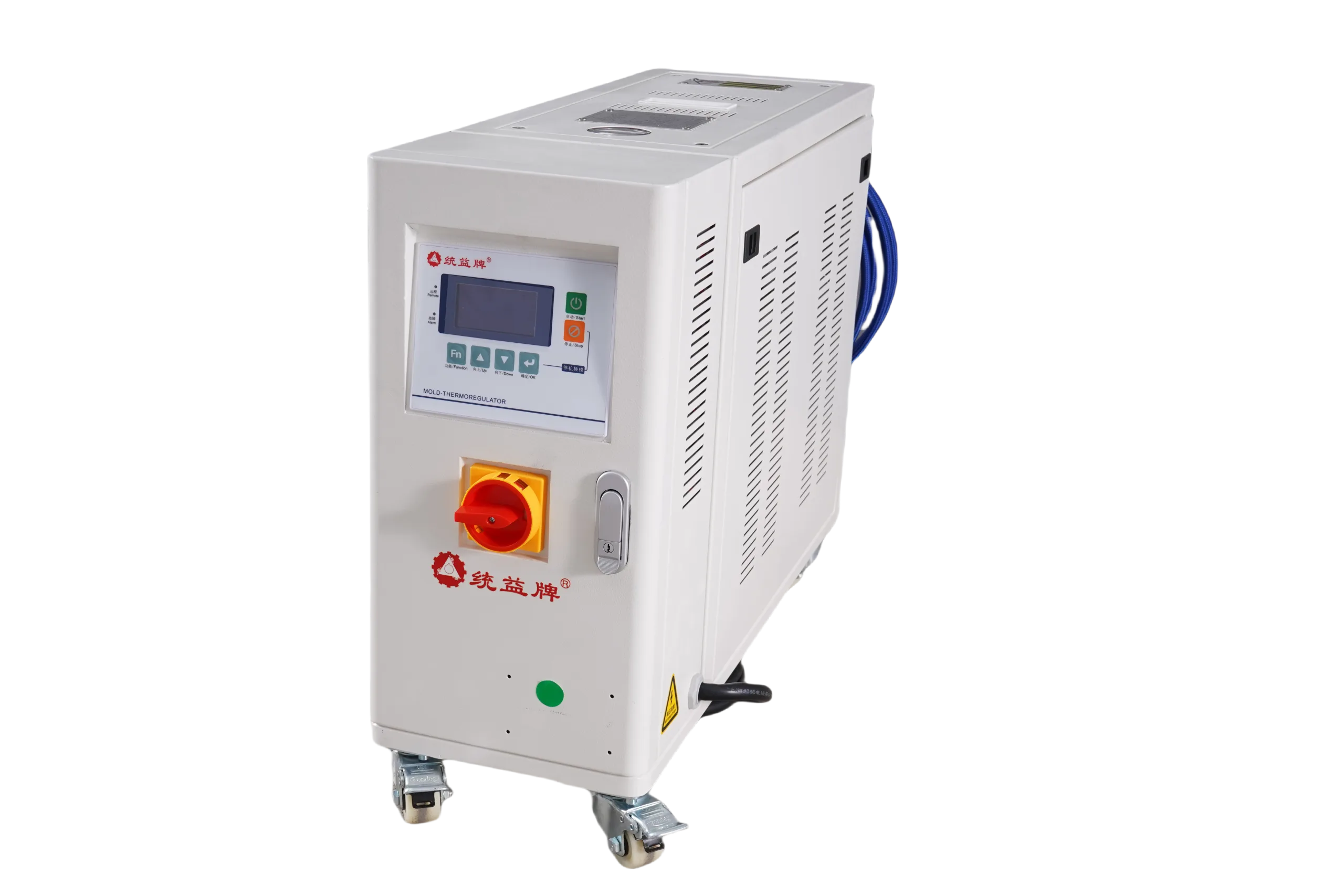
Process checks can include verifying the controller setpoint, measuring temperature at the locations specified by the process, checking water circulation, and confirming the automatic-control function. Record the test conditions and use them when discussing capacity or configuration with a supplier.
Why does mold temperature control matter so much in injection molding?
Mold temperature directly affects how molten plastic flows, packs, and solidifies in the cavity. When the mold surface drifts outside your validated window, you see the symptoms first: flow lines, sink marks, warpage, flash, short shots, and inconsistent part dimensions from shot to shot.
Temperature control is one of several process conditions that can affect molding results. Evaluate it alongside the machine, mold, material, and process settings, and validate the actual mold temperatures and product criteria during trials rather than inferring quality from the controller specification alone.
What should you check during mold temperature control validation?
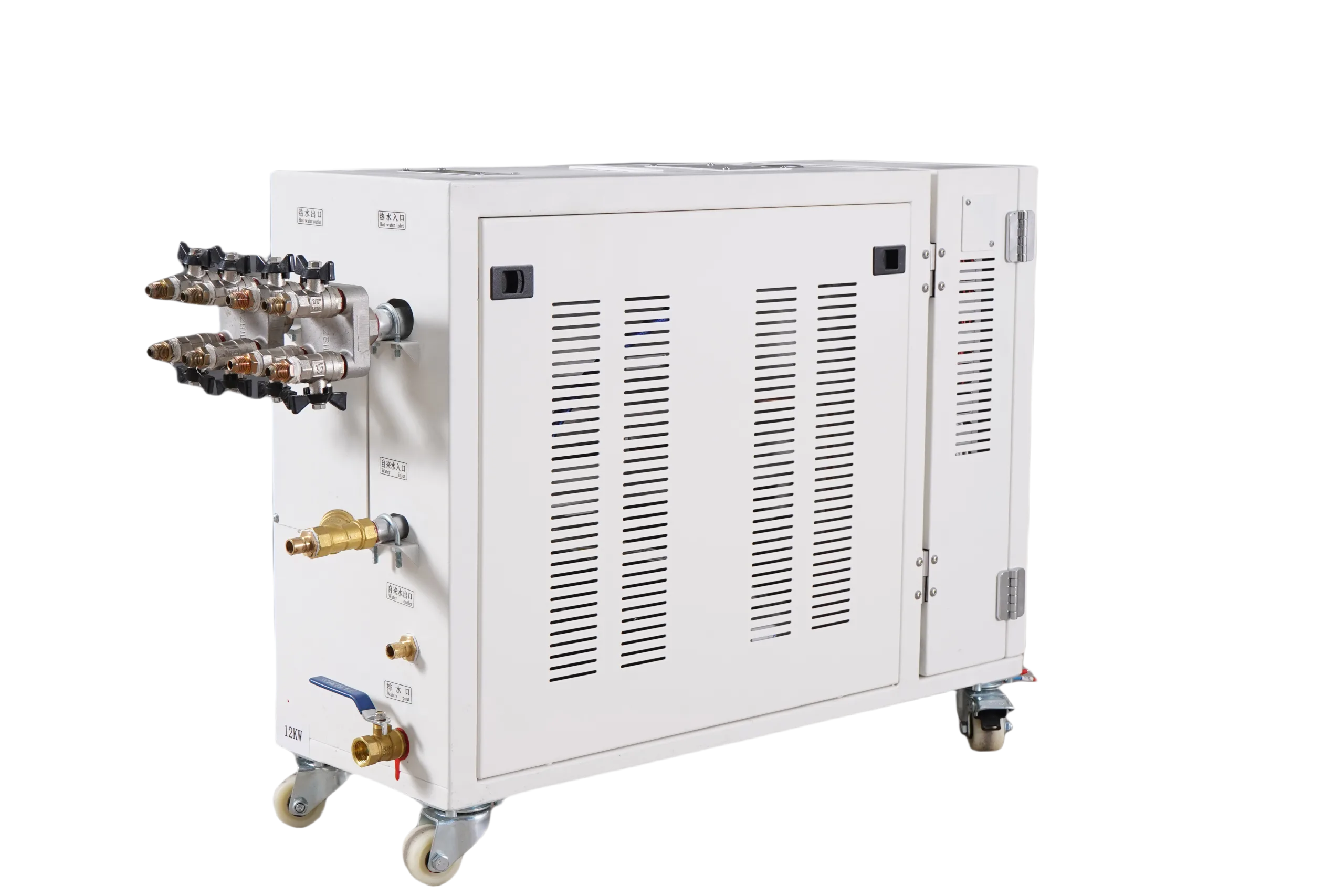
Before releasing a mold to production, walk through a documented checklist so every shift runs the same process:
- Setpoint verification: Confirm the controller setpoint matches the validated process sheet for the resin and mold in question.
- Actual mold surface temperature: Use a surface probe or thermocouple at defined cavity locations, not just the controller display, to confirm heat is actually reaching the steel.
- Flow and return conditions: Check that water is circulating through the heater and mold freely. Restrictive or blocked channels show up as a gap between setpoint and actual mold temperature.
- Control response: With automatic temperature control active, watch how the unit holds the setpoint during continuous running and after an interruption such as a mold open or start-up.
- Alarm and safety checks: Verify over-temperature alarms and low-flow interlocks function, and that operators know the escalation steps.
Log these results as part of your process documentation. When a problem appears later, that baseline tells you whether the issue is the controller, the mold cooling design, or something upstream.
What process information should you document before selecting a mold temperature controller?
Equipment selection fails most often because the buyer never documented the real process conditions. Before requesting quotes, gather the following and include it in every RFQ:
- Resin family and processing temperature range, including any high-temperature materials on your roadmap.
- Mold size, weight, and the number and layout of cooling circuits, including circuit diameters if known.
- Required mold surface temperature and the tolerance window your quality system demands.
- Available plant water supply temperature, pressure, and quality, since this determines heating duty and whether a closed-loop circulation design is needed.
- Number of molds or presses the unit must serve, and whether dedicated control per mold is required.
- Floor space, electrical supply, and connection constraints at the press.
These details give suppliers a clearer basis for reviewing the application. Ask them to state any assumptions and identify information still needed before making a selection.
How does water circulation type affect controller selection?
The heating medium is one important selection factor. Compare it with the required operating range, heat load, circuit design, utilities, and process requirements, then ask the supplier to confirm the proposed configuration.
| Consideration | Water-circulation unit | What it means for you |
|---|---|---|
| Heat transfer | Direct water flow through heater and mold channels | Fast, efficient transfer when circuits are clean and unobstructed |
| Control method | Automatic temperature control against setpoint | Setpoint stability supports validated, repeatable processes |
| Application fit | Positioned for injection molding service | Matched to typical molding press requirements |
| Maintenance focus | Water quality and circulation path condition | Plan filtration and water treatment into your maintenance routine |
A water-circulation controller may be one option for injection molding when its medium and ratings match the application. Confirm the required temperature, heat load, and circuit conditions with the supplier before selecting a model.
How do you verify a controller holds temperature during production?
After installation, evaluate the controller using the process measurement points and acceptance criteria defined by your team. Record setpoint, relevant temperature readings, and test conditions; the product specification alone does not establish performance in the mold.
A wide temperature difference, unexpected cycling, or slow response can have several causes. Record the conditions and investigate the sensor, controller settings, water circulation, mold circuit, and process before attributing the issue to heater size.
What should you include in a mold temperature controller RFQ?
To get comparable quotes, send every supplier the same package: resin list and processing temperatures, required mold surface temperature and tolerance, mold weight and cooling circuit layout, number of circuits, plant water conditions, electrical supply details, and whether one unit per press or shared service is planned. Ask each supplier to state how their proposed unit circulates water through the heater and mold, how its automatic temperature control works, and what service and spare-parts support they provide in your region. Comparing quotes on identical inputs is the only way to evaluate them like for like.
If you are preparing an RFQ, share your process documentation with the supplier’s application team so they can recommend a TMC Series configuration matched to your molds and resins, and request commissioning support as part of the proposal.
Frequently asked questions
How often should mold temperature be checked in production?
Follow your plant quality procedure for when and how to measure mold temperature. If a surface probe is used, record its location and method so readings can be compared consistently.
Why does my controller show setpoint but the mold runs cold?
A difference between controller setpoint and mold measurement can have several causes, including measurement location, sensor setup, circulation, heat load, and process conditions. Check the system systematically rather than treating the gap as proof of a blockage.
Can one mold temperature controller serve multiple presses?
Whether to dedicate or share a controller depends on the process requirements, mold circuits, and plant design. Compare the required operating conditions and changeover procedure with the supplier; there is no universal configuration for every press.
What information does a supplier need to size a unit correctly?
Provide resin processing temperatures, required mold surface temperature and tolerance, mold weight and cooling circuit details, plant water supply conditions, and electrical constraints. With these documented, the supplier can recommend a configuration rather than guessing from press tonnage alone.
See the Water Type Mold Temperature Controller TMC Series page for the published model specifications.
Last updated: October 30, 2026