
Mold Temperature Controller Safety Checklist
Use this checklist to review the TMC Series listed protections, then confirm alarm and shutdown behavior for the specific configuration you plan to buy.

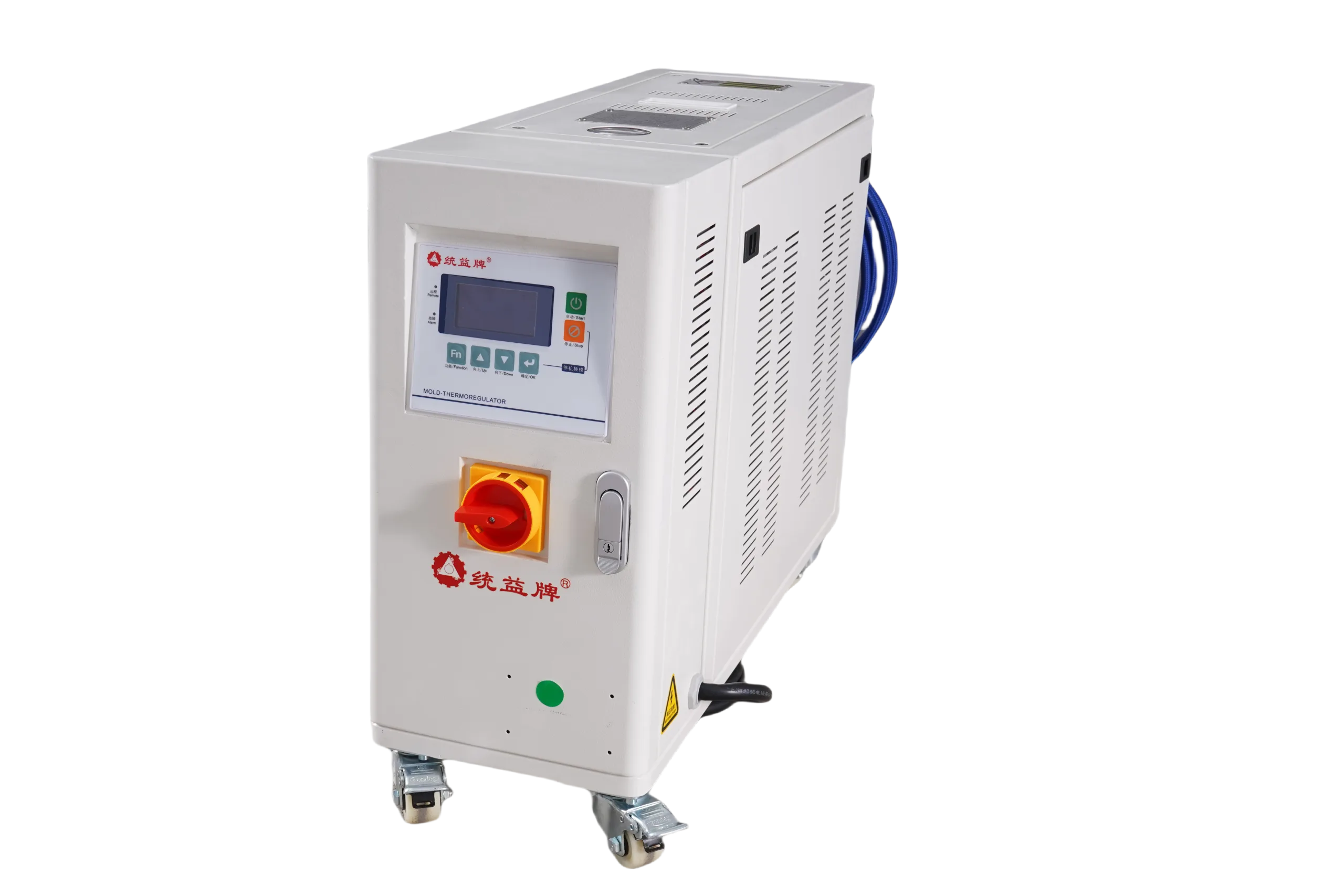
The TMC Series product page lists protections for overheating, pump overload, low water level, and abnormal operating conditions. These are product features, not a certification or proof of compliance. Confirm the alarm and shutdown behavior for the exact configuration and applicable site requirements.
Why should safety protections drive your mold temperature controller selection?
For a circulating water unit, the safety system is not an accessory feature — it determines how the controller responds to the failure modes that actually occur in molding plants: blocked or restricted water flow, a failing pump, sensor faults, or abnormal operating conditions on the mold side.
Compare the listed protection features and ask the supplier to document the alarm indication and response for the quoted configuration. Do not assume that a feature name defines the shutdown logic or satisfies a site safety requirement.
What should a water mold temperature controller safety protection checklist include?
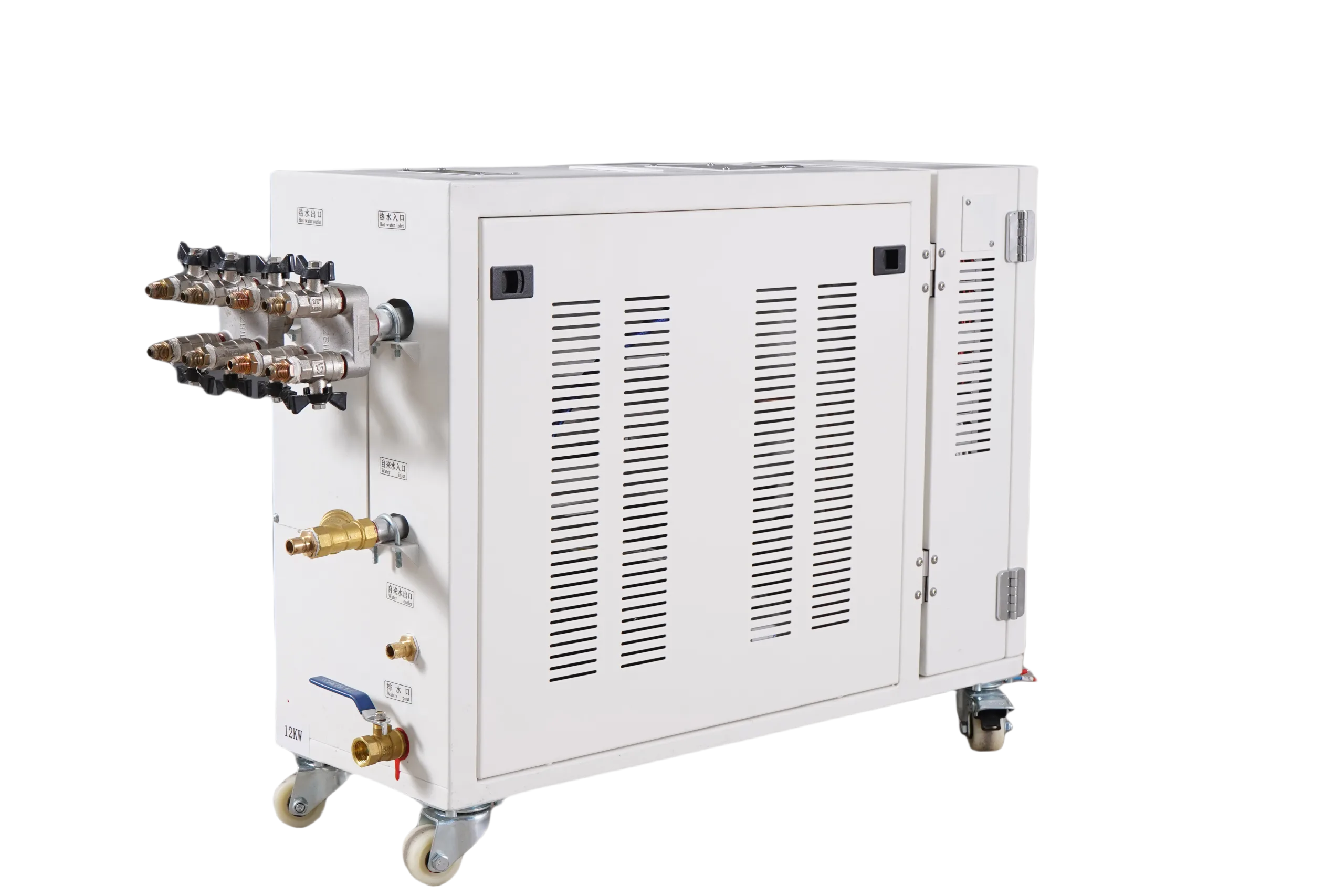
Build your checklist around the four protections that reputable manufacturers list as standard on water-type units, then verify behavior for each:
- Overheating protection: Confirm the over-temperature setpoint, whether it triggers an alarm before shutdown, and whether the heater circuit is cut independently of the rest of the system.
- Pump overload protection: Ask how the overload is detected, whether the pump restarts automatically after the fault clears, and what the operator sees on the display.
- Low water level protection: Verify the sensor location, how quickly the unit alarms on a level drop, and whether heater power is disabled when water level is low — this is the protection that prevents heater element burnout.
- Abnormal operating condition alarms: Clarify which conditions fall into this category on the model you are quoting, and whether faults are logged for later review.
For each item, request the exact alarm and shutdown behavior in writing for your configuration, because interlock logic can vary with heater size, pump selection, and control options.
How do the TMC Series protections map to this checklist?
The TMC Series water mold temperature controller lists overheating, pump overload, low water level, and abnormal operating condition protections as product features. This gives buyers a concrete starting point for a safety review, since all four checklist categories are addressed in the listed feature set.
Two cautions apply. First, these are listed product features, not third-party certifications — if your plant safety process requires documented compliance to a specific standard, confirm that requirement with the supplier directly. Second, the exact alarm thresholds and shutdown sequences should be confirmed for your ordered configuration before the unit ships.
| Checklist item | What to verify with the supplier | Why it matters for approval |
|---|---|---|
| Overheating protection | Alarm-before-shutdown behavior and heater cutoff logic | Prevents uncontrolled temperature rise in the mold circuit |
| Pump overload protection | Detection method and restart behavior after fault | Protects circulation and avoids silent flow loss |
| Low water level protection | Sensor response and heater lockout on low level | Prevents heater damage and dry-running |
| Abnormal operating conditions | Which faults are monitored and whether they are logged | Gives reviewers a fault history for audits |
What should buyers ask before finalizing a purchase order?
Once the protection package is confirmed, use these procurement questions to close the remaining selection gaps:
- Which faults shut the unit down immediately, and which trigger an alarm with continued operation?
- Are alarm codes displayed on the controller, and are they available remotely via a signal or communication output if your plant monitors equipment status?
- How are the protections tested at the factory before shipment, and can test records be supplied?
- What spare parts — such as level sensors or pump contactors — should be stocked for your production volume?
- What documentation is provided so your safety reviewer can sign off on the installation?
Asking these questions during quoting, rather than after installation, avoids the most common sourcing delay: a unit that arrives without the interlock behavior your plant review requires.
How do you compare supplier quotes on a like-for-like basis?
Structure every quote request around the same template so protection behavior is directly comparable:
- Listed safety protections and the alarm/shutdown behavior for each, in writing
- Whether fault history or alarm logging is included on the controller
- Control accuracy, heating capacity, and pump specification matched to your mold and tooling
- Documentation package: wiring diagrams, operating manual, and factory test scope
- Spare parts availability and lead times for protection-related components
A quote that answers these five points transparently is usually a reliable signal of how the supplier handles the rest of the order.
What are the next steps for plant safety reviewers and buyers?
Send the supplier your checklist and ask them to confirm each listed protection for the quoted configuration. Include any plant-specific needs, such as remote alarm signaling, as requirements to verify; do not assume they are included.
Frequently asked questions
Are the listed protections a safety certification?
No. Overheating, pump overload, low water level, and abnormal operating condition protections are listed product features of the TMC Series, not third-party certifications. If your approval process requires a specific certification, confirm that requirement separately with the supplier before ordering.
What happens when a low water level fault occurs?
The product page lists low-water-level protection but does not specify its alarm delay or shutdown sequence. Follow the equipment manual and ask the supplier to document the response. Do not intentionally trigger or bypass a protection unless the manufacturer provides an approved test procedure.
Do protection settings need adjustment after installation?
The product page does not state whether protection setpoints are adjustable. Ask the supplier to explain the available settings and approved commissioning procedure, and record the confirmed configuration in the equipment documentation.
How often should safety protections be checked?
For inspection or functional checks of sensors, alarms, or pump behavior, follow the equipment manual and your plant maintenance procedure. Use an approved test method and do not create a fault condition unless the manufacturer directs it.
See the Water Type Mold Temperature Controller TMC Series page for the published model specifications.
Last updated: October 30, 2026