
Total Cost of Ownership for Plastic Auxiliary Equipment
Purchase price is a third of the cost. Energy, downtime, spare parts and scrap decide the rest. How to compare two machines honestly before buying.

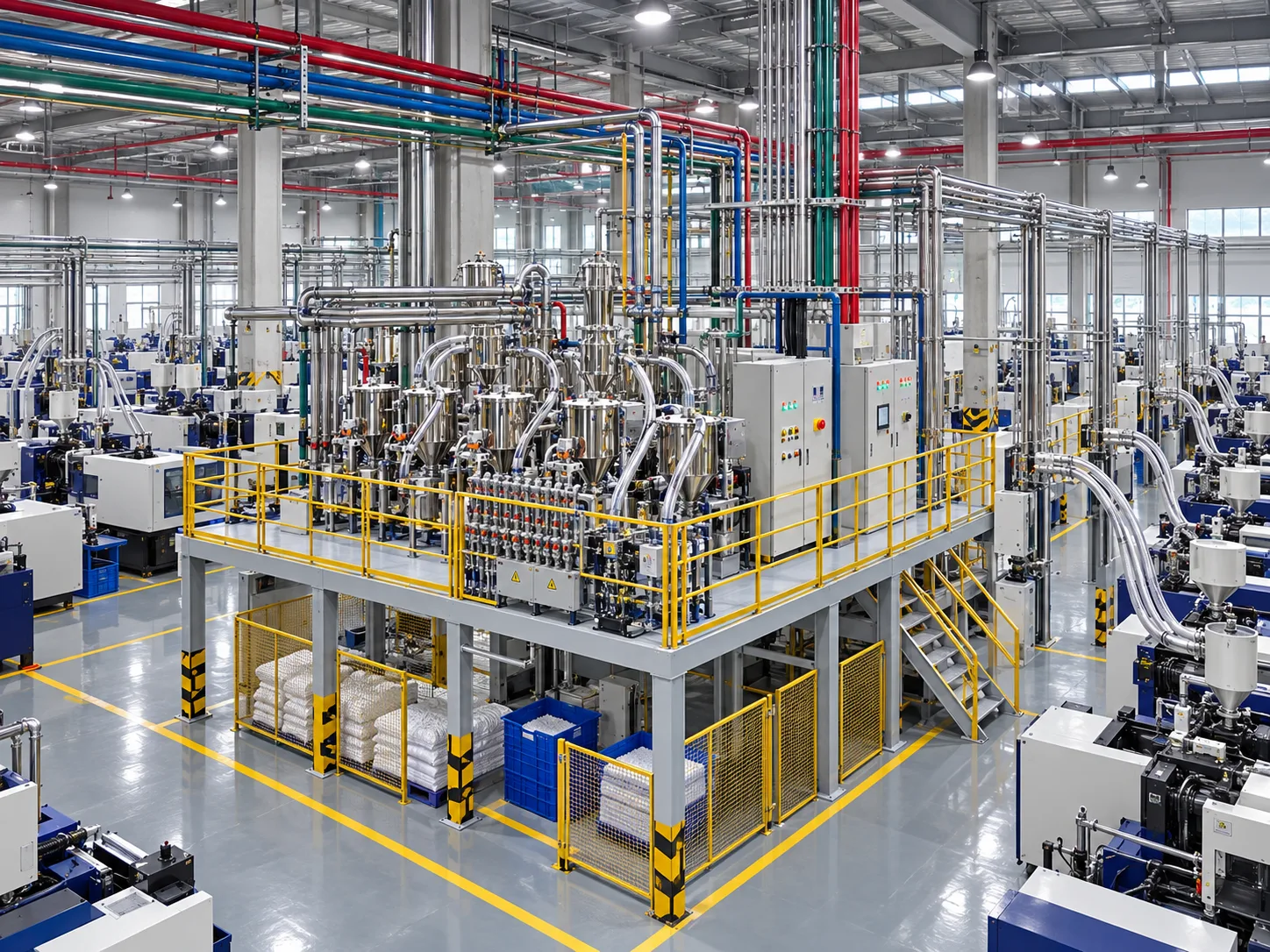
Auxiliary equipment is usually bought on purchase price and judged on whether it works. That leaves most of the cost invisible: energy, downtime, spare parts, labour and the scrap caused by inconsistent performance. Across a ten-year life, purchase price is often a third of the total.
Comparing two machines honestly means putting the same five cost lines against both.
What are the five cost lines?
| Line | How to estimate | Typical share |
|---|---|---|
| Purchase and installation | quoted price plus commissioning | 25–40 % |
| Energy | rated kW × running hours × tariff | 20–35 % |
| Maintenance and spares | consumables per year × life | 10–20 % |
| Downtime | failures per year × hours × cost per hour | 10–25 % |
| Quality cost | scrap rate difference × production value | 0–20 % |
The ranges are wide because equipment categories differ: a chiller’s energy dominates, while a granulator’s blades and downtime dominate.
Why does energy deserve more attention than it gets?
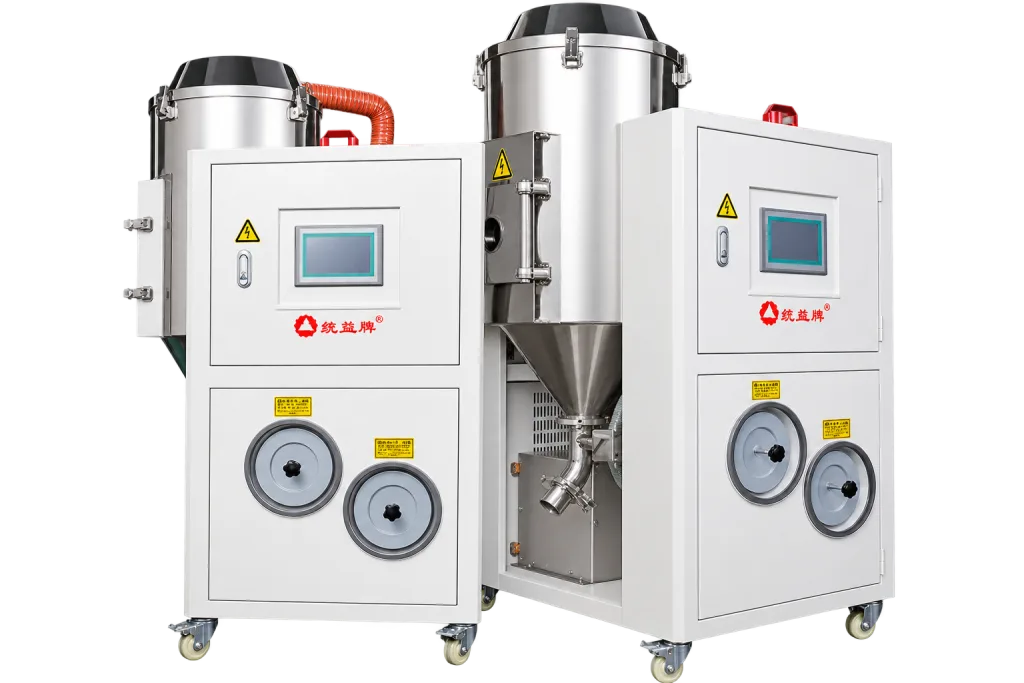
Because it is continuous and foreseeable. A desiccant dryer running 6,000 hours a year at 12 kW costs far more over ten years than a machine at 8 kW — and the difference is calculable before purchase from the rated figures.
Ask for the rated power at operating conditions, not the motor nameplate. A dryer’s heater, blower and rotor drive together determine consumption, and suppliers who quote only motor power are not giving a comparable number.
How should downtime be valued?
Two approaches, both defensible: value it at the contribution margin lost per hour of stoppage, or at the labour cost of the idle operators plus the recovery time. Most plants find the first number uncomfortably large and the second too small; the truth lies between.
The useful comparison is relative rather than absolute: if machine A fails twice a year for four hours and machine B fails once for two, the difference is six hours of production — enough to justify a meaningful price premium for reliability.
How does consumable cost vary between suppliers?
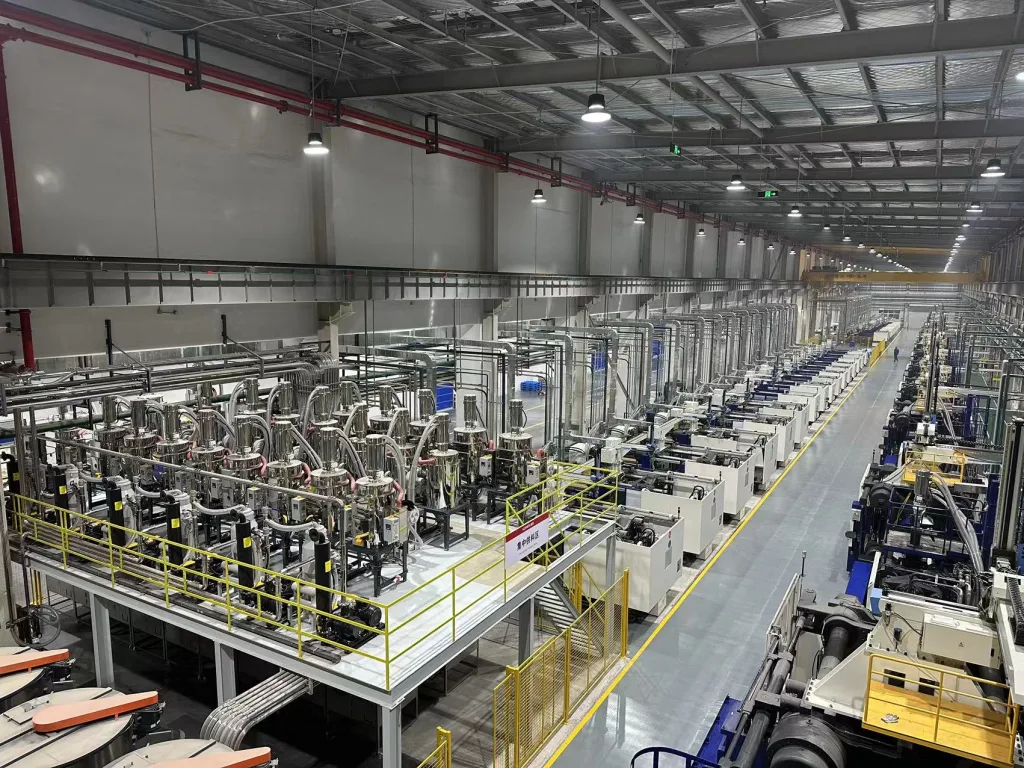
Substantially, and it is rarely discussed at purchase. Filters, rotors, blades and seals are the recurring items, and their cost depends on whether they are standard or proprietary. A machine that is 15 % cheaper but uses proprietary filters at three times the price can be the more expensive choice over its life.
Ask for the consumable list with part numbers and prices before ordering. A supplier who cannot provide it has not thought about the ten-year relationship.
What is the simplest way to compare two quotes?
Build a single table with the five lines across ten years, using the buyer’s own energy tariff and production value. Even rough numbers expose differences that a purchase-price comparison hides entirely.
A worked example: two dryers, one at €8,000 drawing 8 kW and one at €11,000 drawing 5 kW, running 6,000 h/year at €0.15/kWh. Over ten years the energy difference is (8−5) × 6,000 × 0.15 × 10 = €27,000 — more than three times the purchase difference.
Where to go next
Our engineering team can supply rated consumption figures, consumable lists and expected service intervals for any equipment in the range, from the honeycomb rotor dehumidifier to a full centralized feeding system.
Send us the two quotations you are comparing and we will help build the ten-year comparison on your own numbers.