
Solution Detail
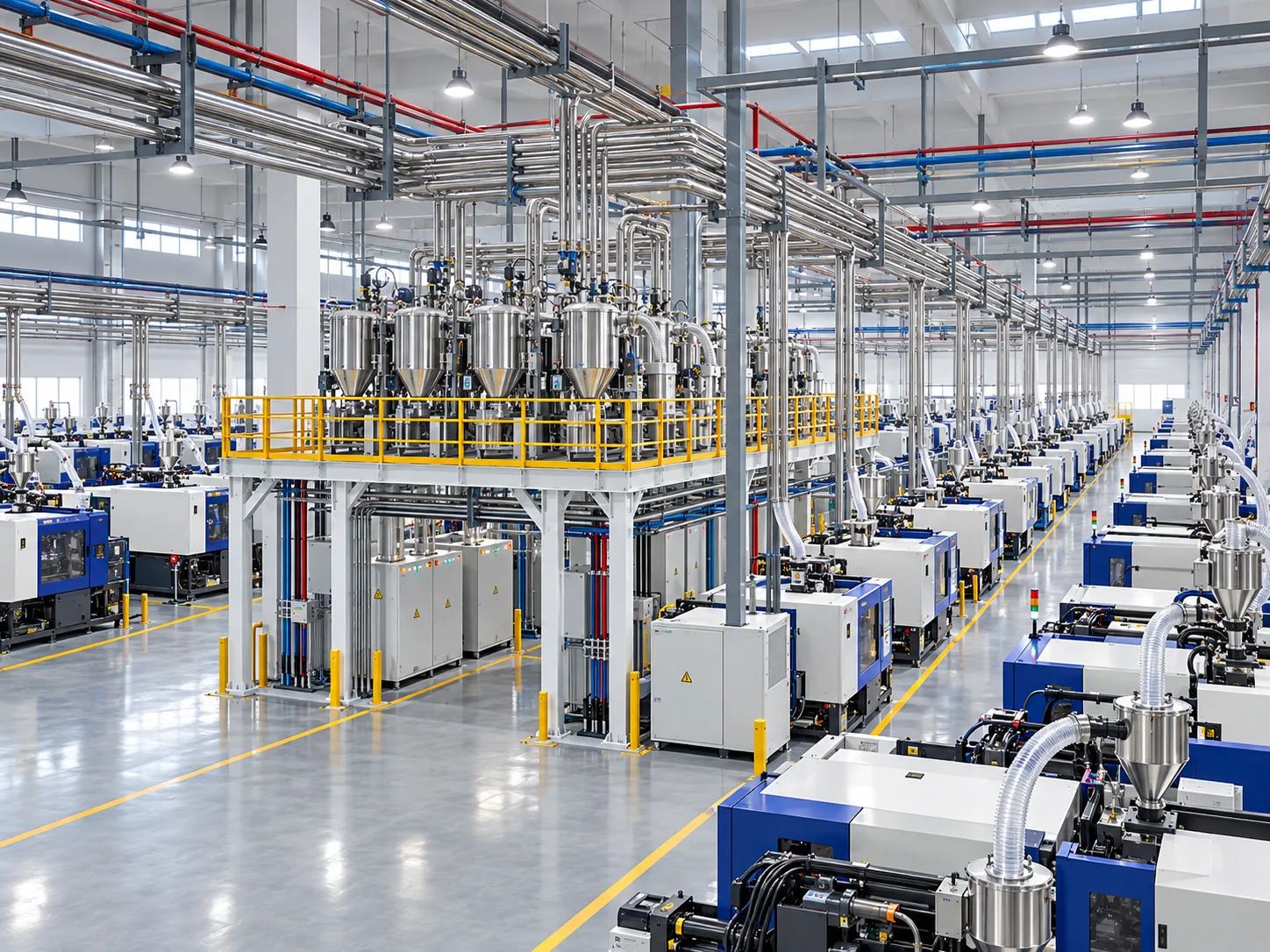
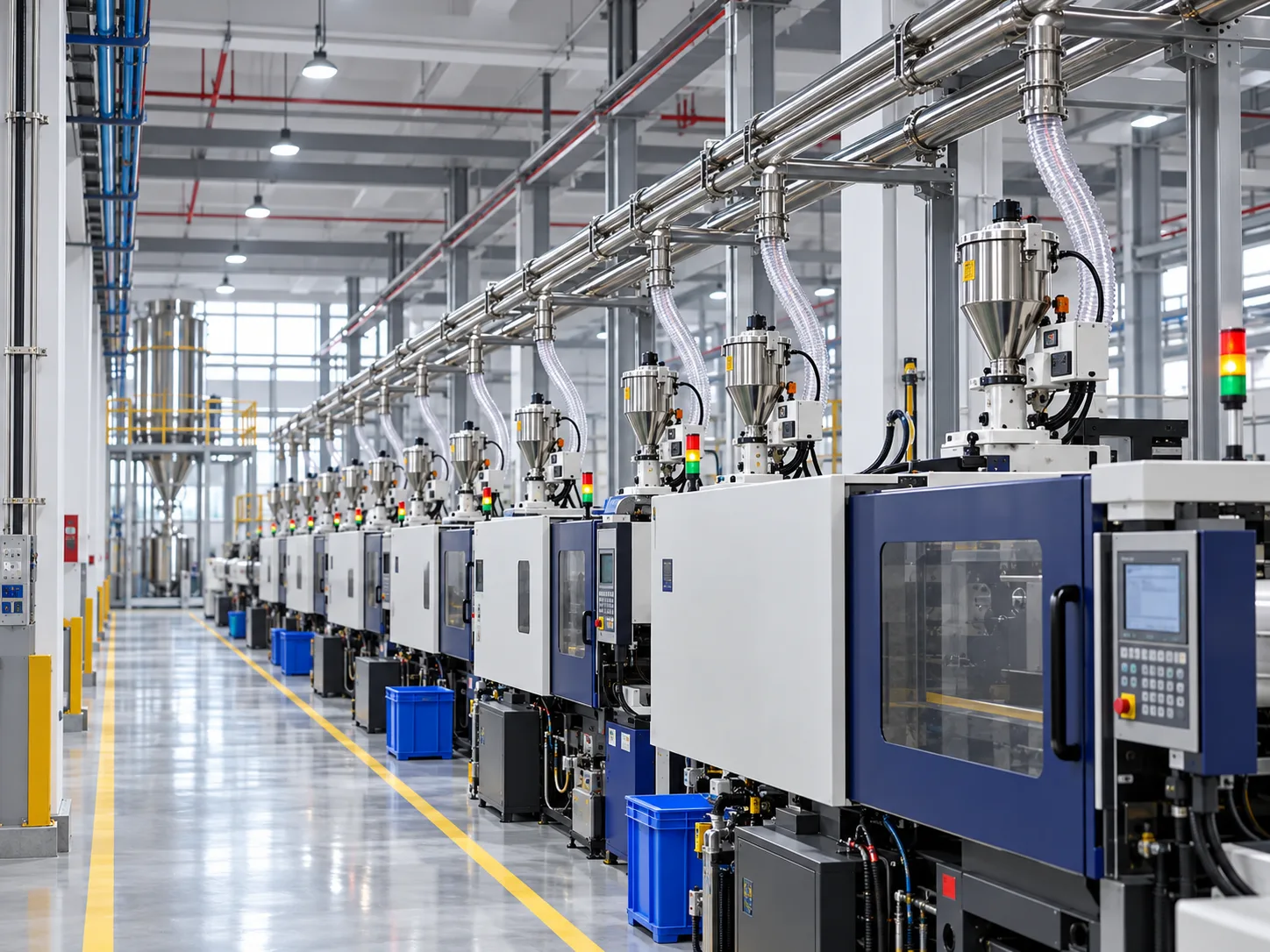
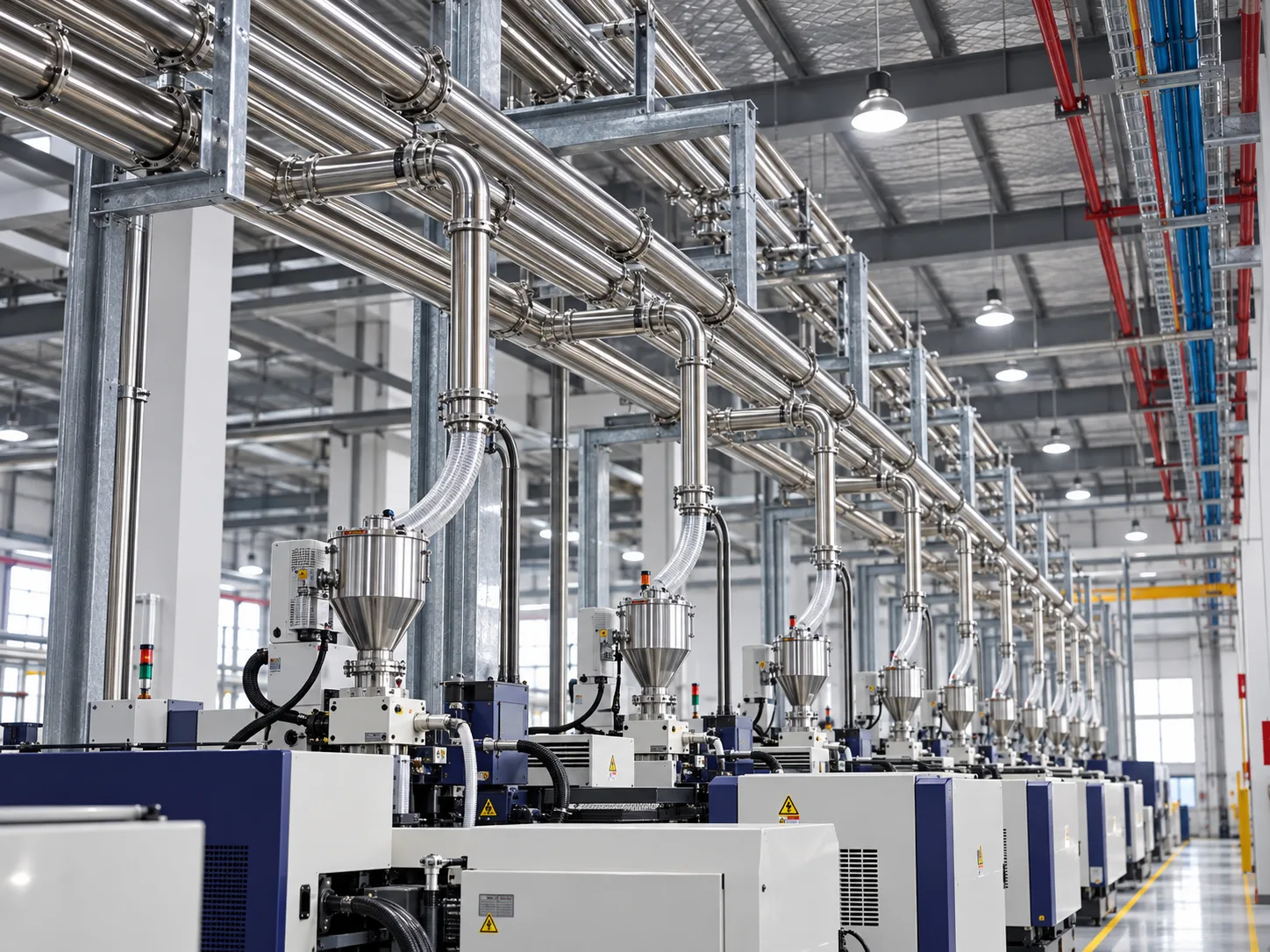
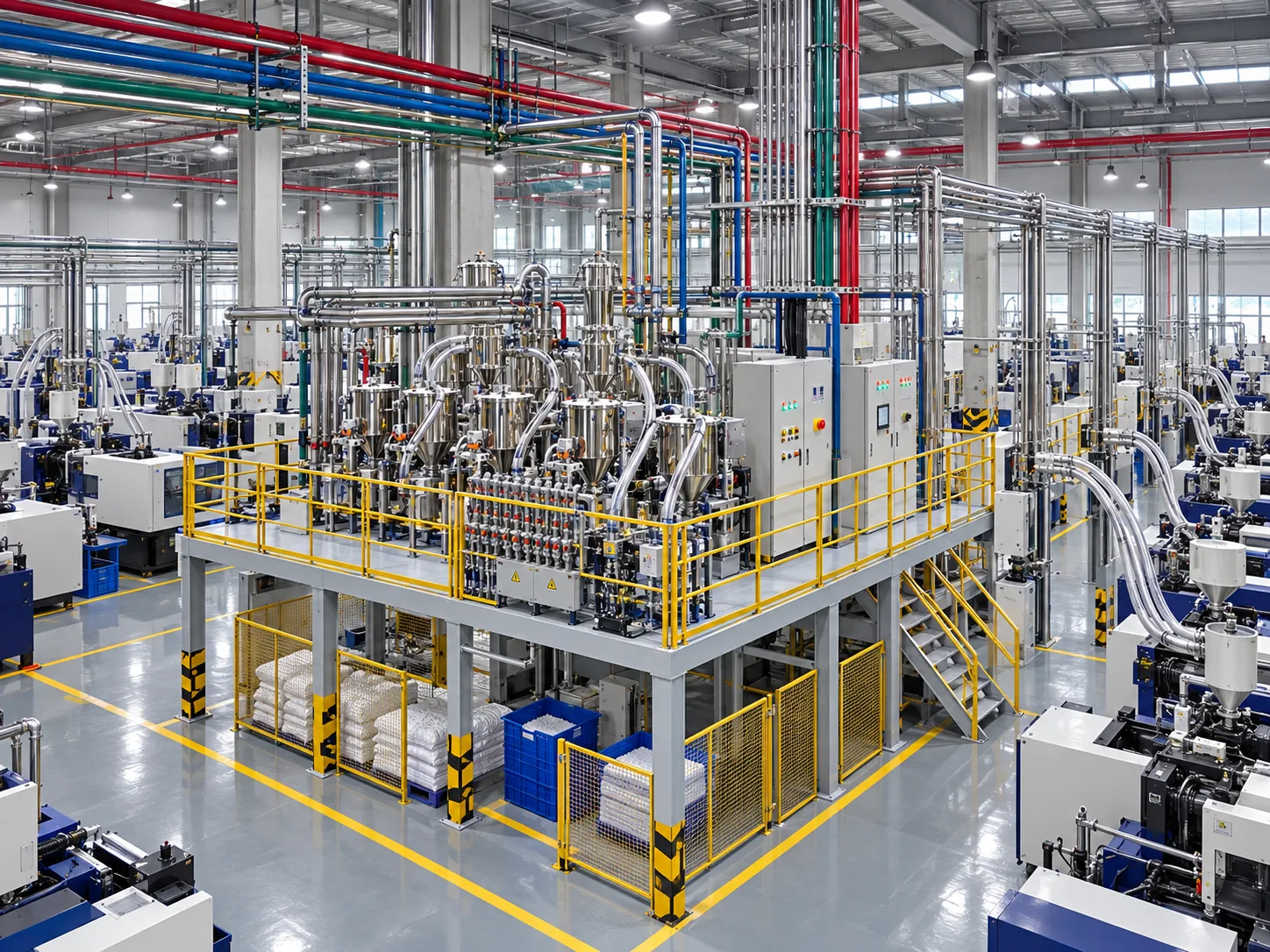
Central Feeding System for Multi-machine Production
Coordinate bulk storage, drying, vacuum conveying, distribution and machine-side supply through one centrally managed material flow.
Business Problem
Reduce handling errors and stabilize material supply
Disconnected equipment can create contamination risks, inconsistent drying, material shortages and difficult maintenance. A coordinated system defines how each material is identified, prepared, transported and delivered before equipment is selected.
Risks addressed during planning
- Material identity can be lost during manual transfer or frequent changeovers.
- Long or poorly routed pipelines can reduce conveying stability and increase wear.
- Drying capacity and machine demand may become unbalanced during peak production.
- Maintenance access can be restricted when equipment and pipe routes are planned separately.
Suitable production environments
Multiple processing machines
Plants that need consistent material delivery to several injection molding or extrusion machines.
Frequent material changes
Production with traceability, purge planning and controlled changeover requirements.
New or expanding facilities
Projects where storage, utilities, access and future machine capacity can be planned together.
System Architecture
A coordinated material-handling sequence
Each subsystem is sized from the same production data and connected through a maintainable layout.
-
01
Storage and identification
Define material receiving, storage capacity, labeling and separation requirements.
-
02
Conditioning
Match drying and dehumidifying equipment to resin behavior and consumption.
-
03
Conveying and distribution
Size vacuum sources, pipelines and selectors around distance, throughput and changeover.
-
04
Machine-side delivery
Coordinate receivers, hoppers and controls with each processing machine.
Equipment Categories Used
Equipment categories connected to this system
Use these category pages to review the equipment families that normally make up this solution.
CFS & Water, Electricity, Air System
Centralized material storage, conveying and machine distribution.
Explore CFS & Water, Electricity, Air System equipmentFeeding & Conveying System
Flexible conveying and material transfer for production lines.
Explore Feeding & Conveying System equipmentDrying & Dehumidifying System
Stable low-dew-point preparation for hygroscopic resins.
Explore Drying & Dehumidifying System equipmentDesign Inputs
Information required before equipment selection
Reliable sizing begins with actual production demand and a current plant layout.
| Design Item | Example | Engineering Use | Notes |
|---|---|---|---|
| Materials and grades | Resin type, bulk density and moisture sensitivity | Storage, drying and pipeline design | Include regrind and masterbatch where applicable. |
| Machine demand | Consumption by machine and peak overlap | Conveying source and receiver sizing | Use realistic production schedules. |
| Plant layout | Distances, elevations and access routes | Pipeline routing and pressure-loss review | Mark future machine positions. |
| Changeover rules | Color, material and cleaning sequence | Selector, purge and traceability design | Identify materials that must remain isolated. |
Core Equipment
Equipment selected as one operating system
Related equipment is shown by category; final selection depends on verified material, capacity and layout data.
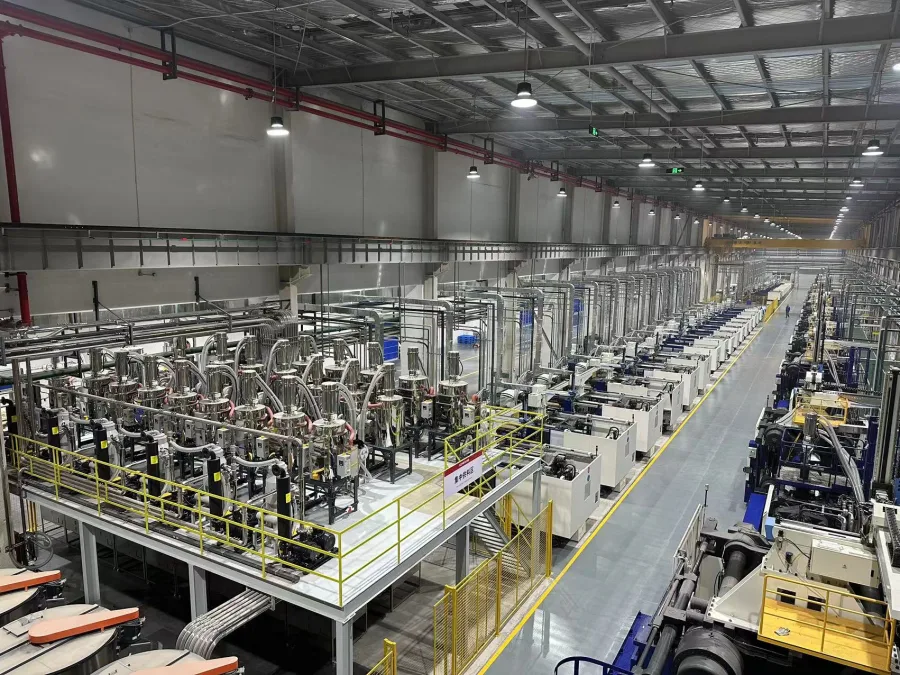
Centralized Feeding System
Turnkey centralized feeding system for automatic storage, drying, conveying, distribution, and management of plastic raw materials across multiple injection molding machines.
View Product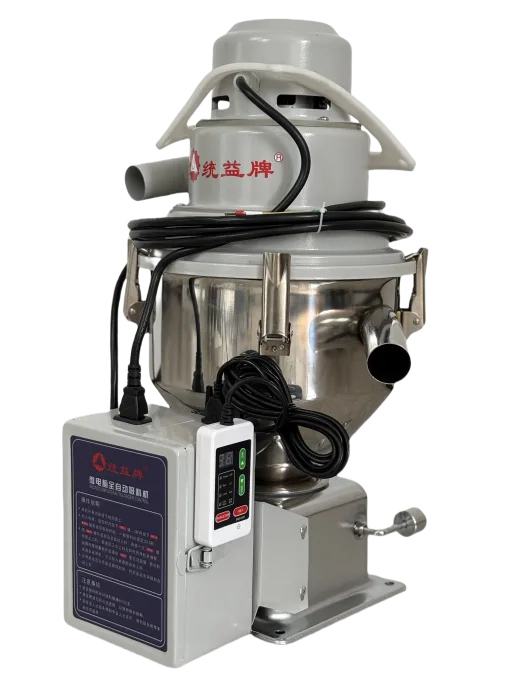
Single Autoloaders
Compact single autoloader with automatic vacuum conveying, up to 350 kg/h conveying capacity, 4 m conveying height, and direct installation on hopper…
View Product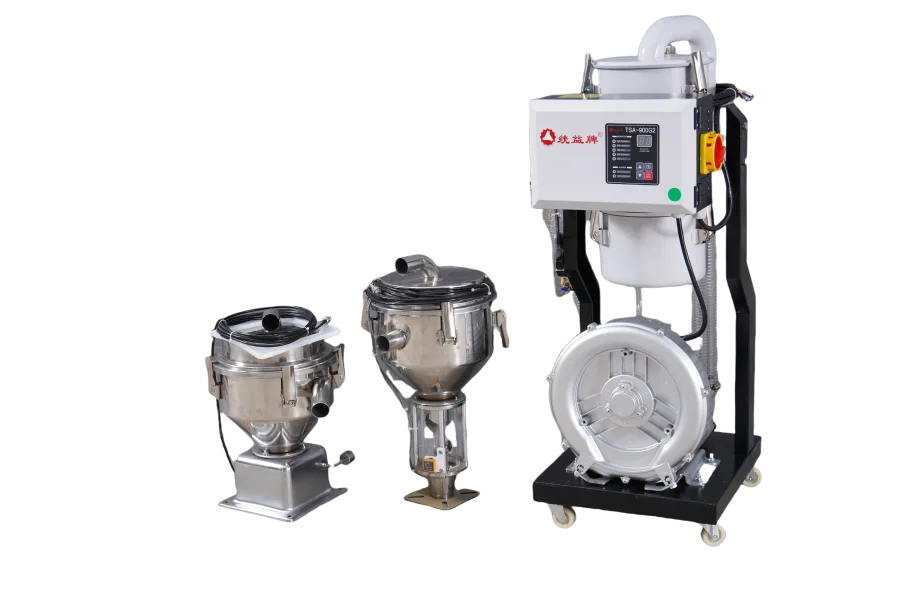
Automatic Vacuum Loading Series
Open-type detachable autoloader for automatic plastic material conveying, with conveying capacity up to 2,000 kg/h, loading distance up to 10 m, and…
View Product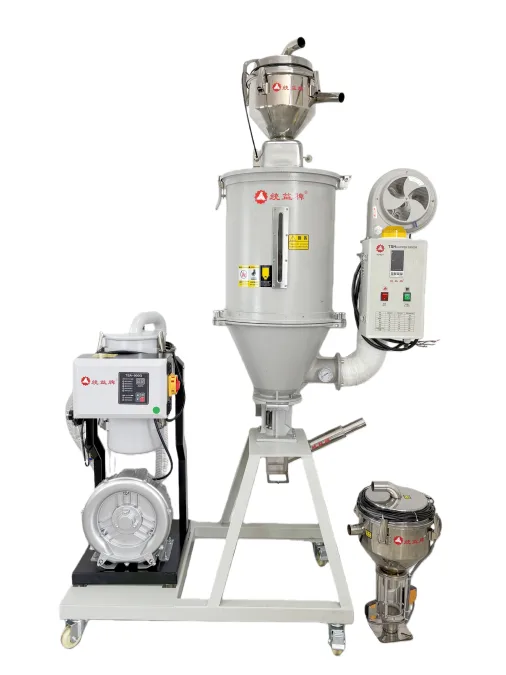
Hopper Dryer
Hot-air hopper dryer designed for efficient and stable drying of plastic materials.
View Product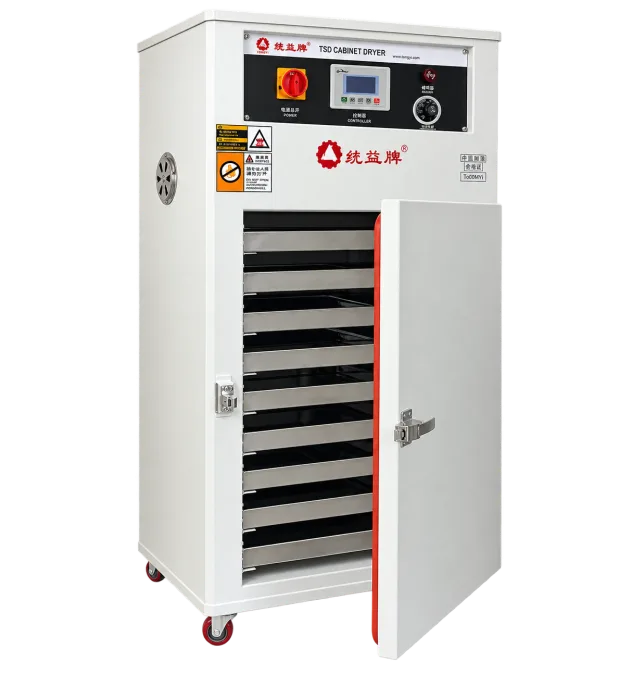
Cabinet Dryer
High-temperature cabinet dryer designed for small-batch, multi-material and trial-production drying applications.
View Product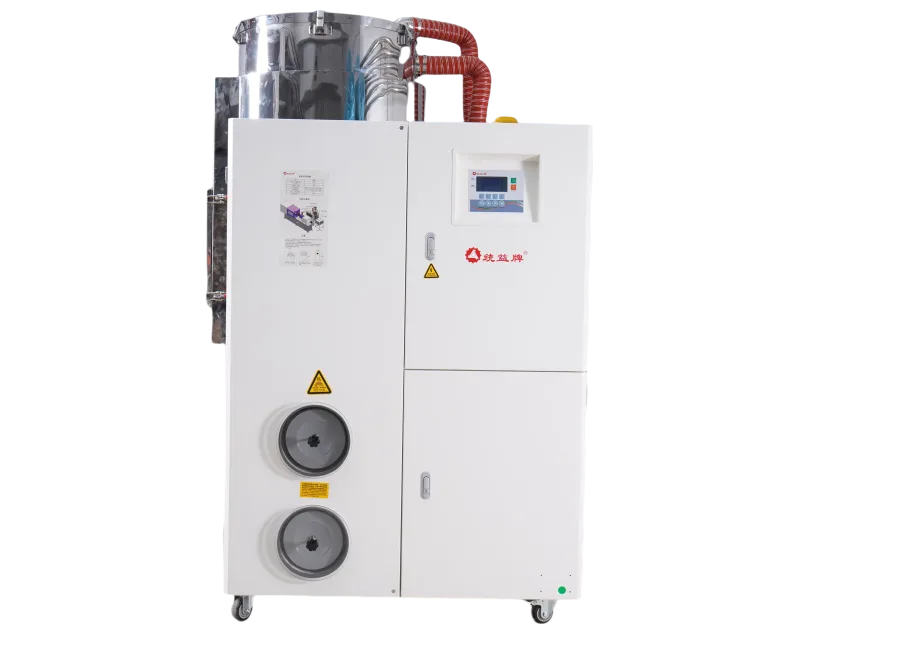
3 in 1 Heatless Compact Dehumidifying Dryer – Energy Saving Type
Energy-saving 3 in 1 system integrating heatless dehumidifying, drying and material conveying in one compact unit.
View Product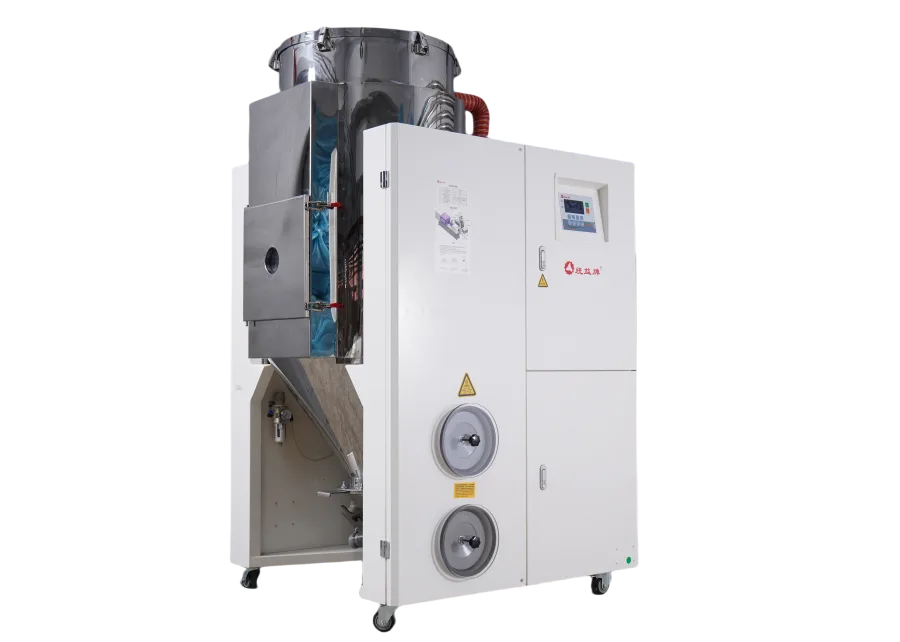
3 in 1 Compact Dehumidifying Dryer – Honeycomb Rotor Type
Integrated dehumidifying, drying and material conveying in one compact system for hygroscopic plastic materials.
View Product
EU Hopper Dryer
Double-layer stainless-steel hopper dryer designed for uniform and efficient drying of plastic materials.
View ProductPlanning FAQ
Central feeding system questions
Provide the plant drawing, machine list, material list, hourly consumption, storage method, drying requirements and expected expansion.
Yes. Future demand can be included in the source, controls, pipe routes and utility plan, but reserved capacity should be confirmed against the expansion schedule.
The design can include dedicated lines, selectors, purge procedures and identification controls according to contamination and traceability requirements.