
Solution Detail
Energy-saving Retrofit for Plastic Processing Systems
Use measured operating data to identify avoidable energy use in drying, conveying, temperature control and plant utilities.
Business Problem
Separate real losses from necessary process energy
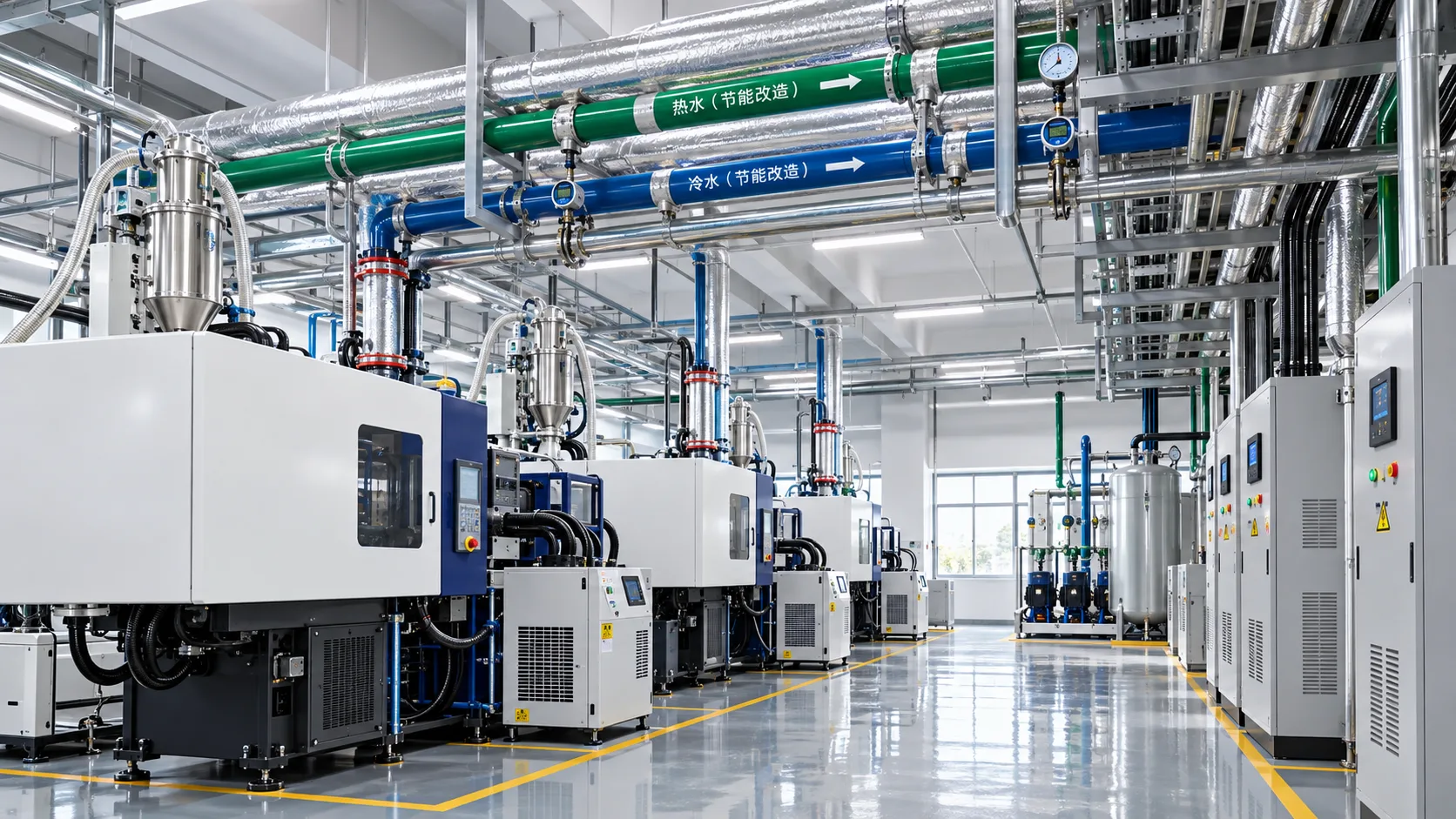
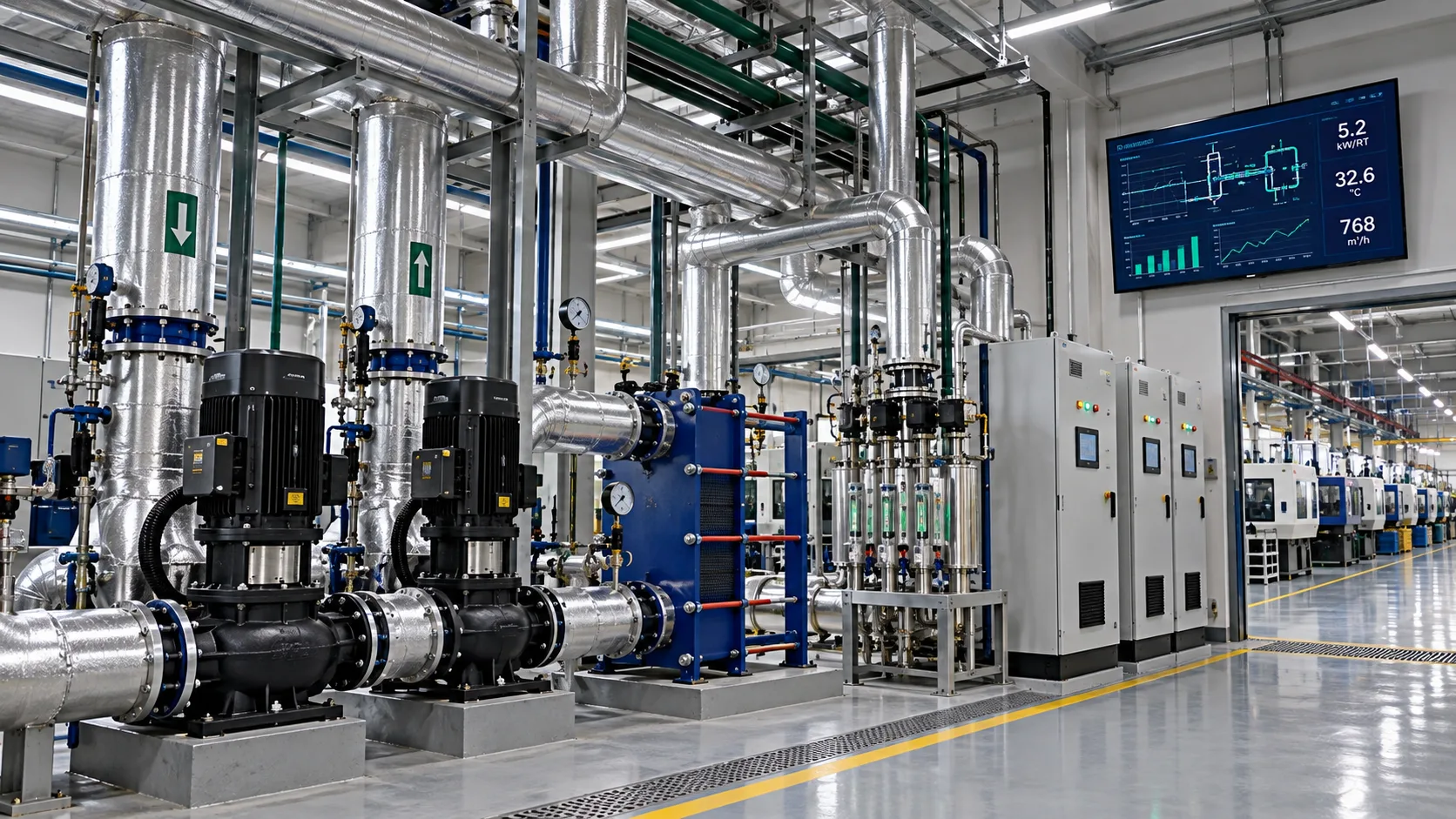
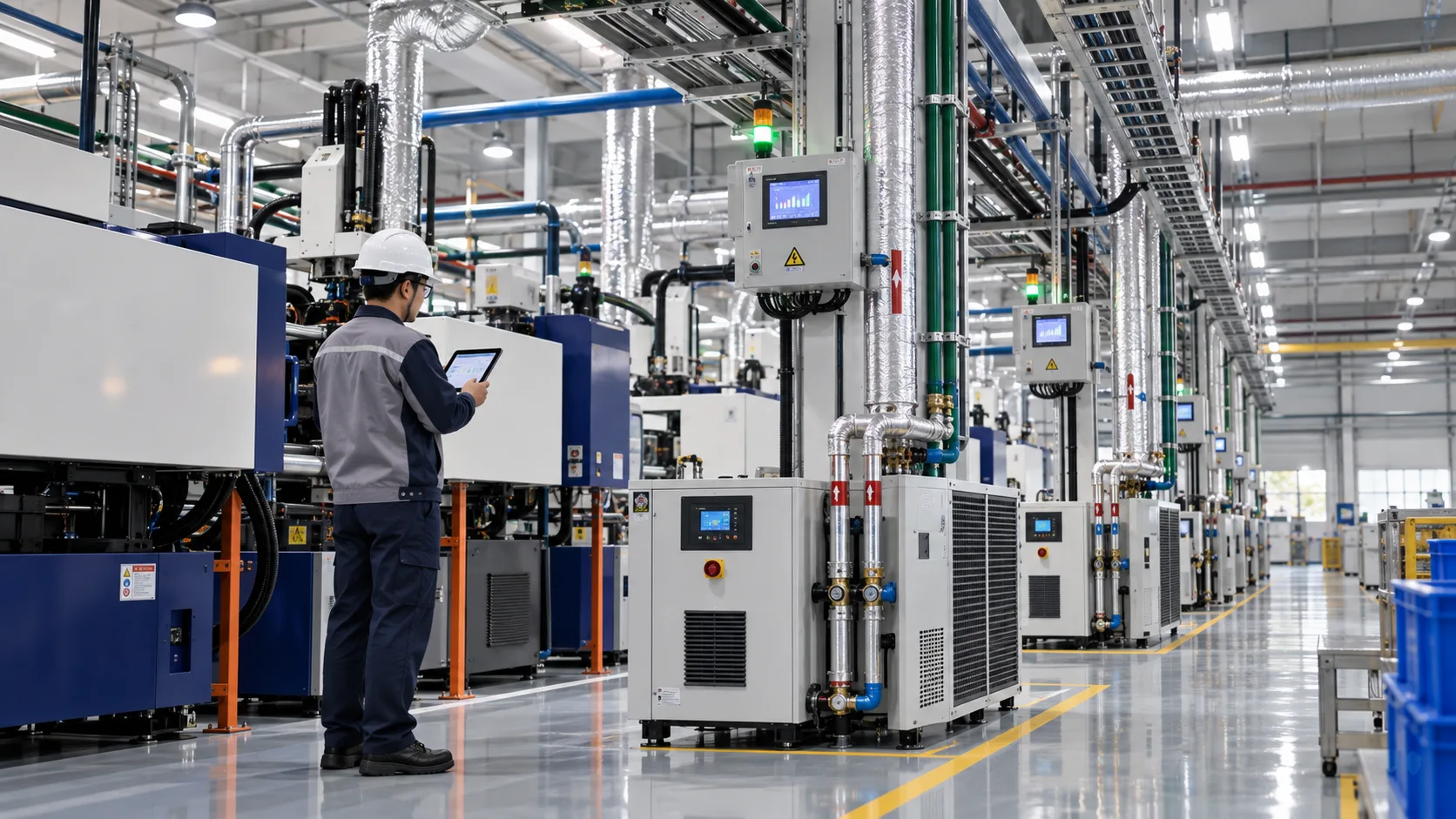
Energy use may be increased by oversized equipment, idle running, poor insulation, unstable utilities, leakage or controls that do not follow production demand. A review should preserve process quality while testing each improvement against a baseline.
Risks addressed during planning
- Changing setpoints without process review can affect material preparation or product quality.
- Nameplate power does not show actual energy use across a production schedule.
- Utility instability can hide the cause of poor equipment performance.
- Savings cannot be verified when the baseline and measurement boundary are unclear.
Suitable production environments
Equipment running below design load
Systems where production changes have reduced or shifted demand.
High idle or standby operation
Production areas with long nonproductive run time or manual shutdown practices.
Expansion on existing utilities
Plants that need to understand current capacity before adding machines.
System Architecture
Measure, prioritize, implement and verify
Each proposed change is tied to a defined operating condition and verification method.
-
01
Baseline
Record production, run hours, setpoints and energy or utility data.
-
02
Loss review
Identify mismatch, idle operation, leakage, insulation and control opportunities.
-
03
Prioritized changes
Rank control, maintenance and equipment measures by feasibility and process risk.
-
04
Verification
Compare operation against the agreed baseline under comparable production conditions.
Equipment Categories Used
Equipment categories connected to this system
Use these category pages to review the equipment families that normally make up this solution.
Drying & Dehumidifying System
Stable low-dew-point preparation for hygroscopic resins.
Explore Drying & Dehumidifying System equipmentCooling & Heating System
Precise mold and process temperature management.
Explore Cooling & Heating System equipmentCrushing & Recycling
Controlled size reduction and in-process material recovery.
Explore Crushing & Recycling equipmentDesign Inputs
Information required before equipment selection
Measured operating data provides a stronger basis than equipment nameplates alone.
| Design Item | Example | Engineering Use | Notes |
|---|---|---|---|
| Production baseline | Products, materials, throughput and schedules | Normalize energy and utility demand | Use representative periods. |
| Equipment operation | Setpoints, loading, run hours and alarms | Identify mismatch and idle operation | Include seasonal variation. |
| Measured utilities | Power, cooling water and compressed air | Locate major demand and instability | Define measurement boundaries. |
| Process constraints | Quality limits and required recovery time | Protect production performance | Record non-negotiable process conditions. |
Core Equipment
Review equipment only after measuring operation
Related categories indicate common retrofit areas; they are not a replacement recommendation without baseline data.
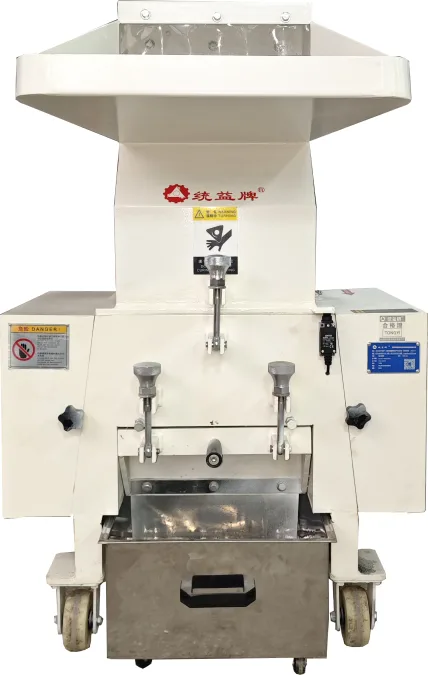
Powerful Granulator
Heavy-duty plastic granulator for high-capacity recycling of runners, defective parts, pipes, profiles, sheets, and large plastic products, with capacities up to 1,600…
View Product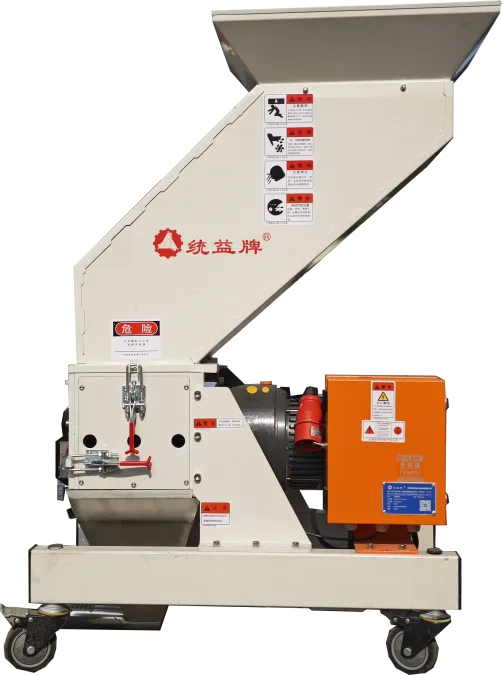
Middle Speed Granulator
Middle-speed granulator for beside-the-machine recycling of plastic runners, sprues, and defective parts, featuring 140 RPM operation, 50–200 kg/h capacity, reduced noise, and…
View Product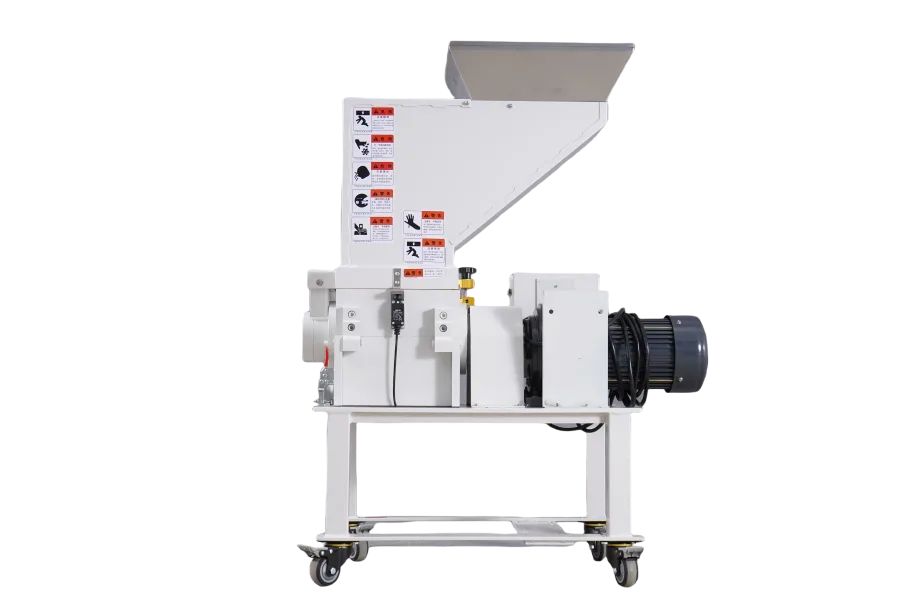
Low-Speed Sound-Proof Side Granulator
Low-speed screenless granulator for beside-the-machine recycling of plastic runners and defective parts, featuring 27–35 RPM operation, low dust generation, low noise, and…
View Product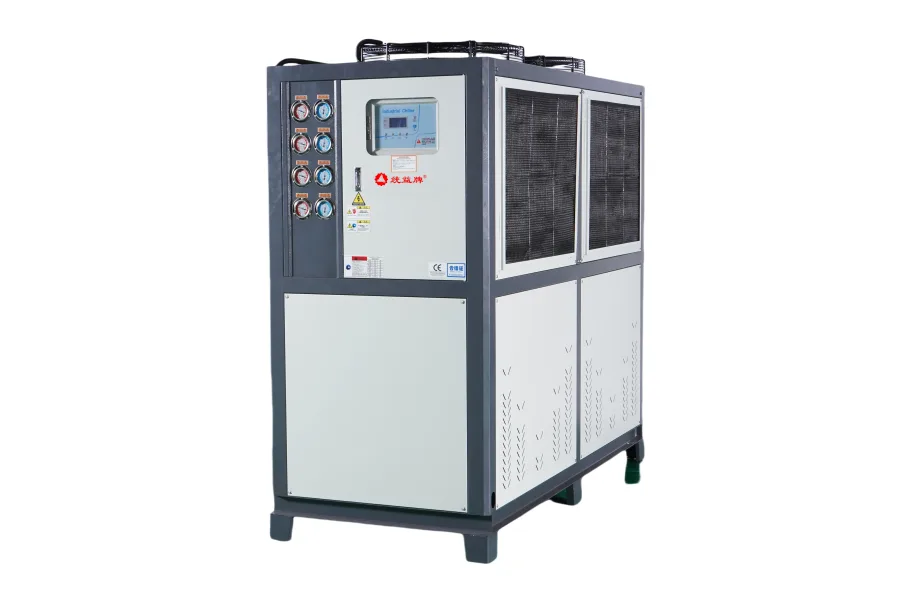
Air Cooled Chiller
Industrial air-cooled chiller with 5–35°C temperature control, ±1°C accuracy, cooling capacity up to 108 kW, and efficient air-cooled heat dissipation without the…
View Product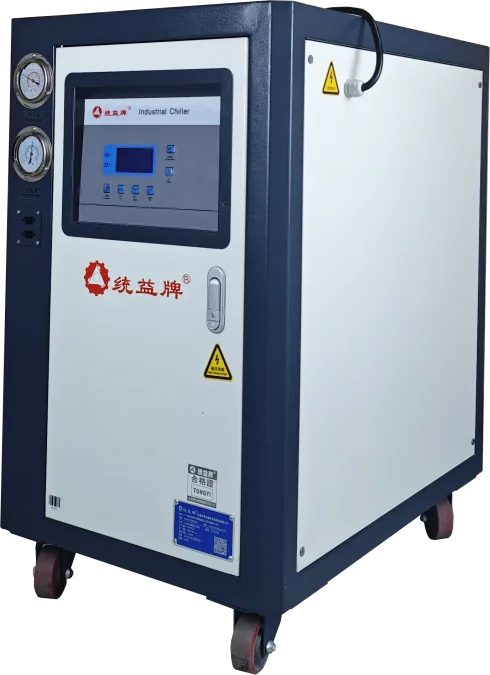
Water Cooled Chiller
Industrial water-cooled chiller with 5–35°C temperature control, ±1°C accuracy, cooling capacity up to 108 kW, efficient heat exchange, and reliable operation for…
View Product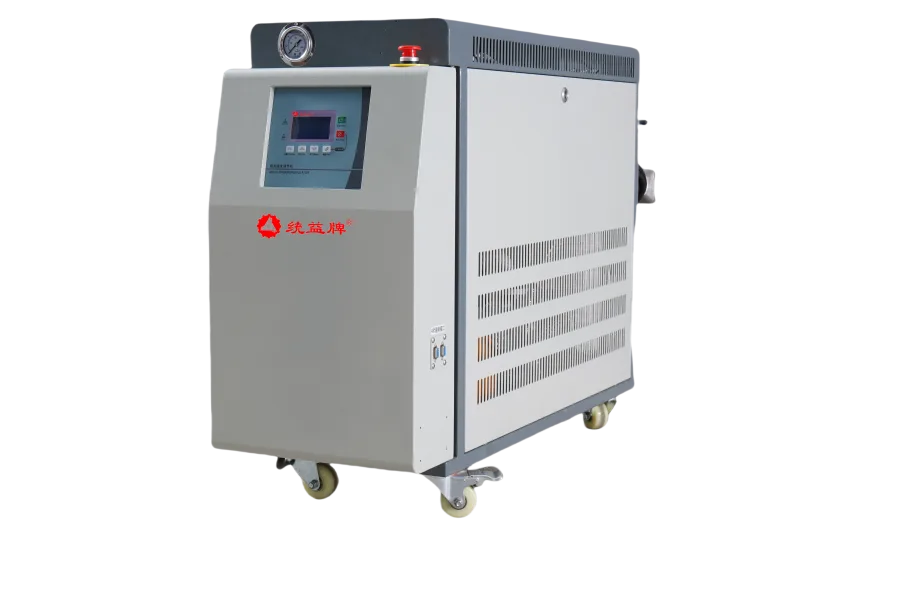
High Temp. Oil Type Mold Temperature Controller
High-temperature oil mold temperature control up to 300°C with precise PID regulation, high-flow circulation, return oil temperature monitoring, and two-stage heating.
View Product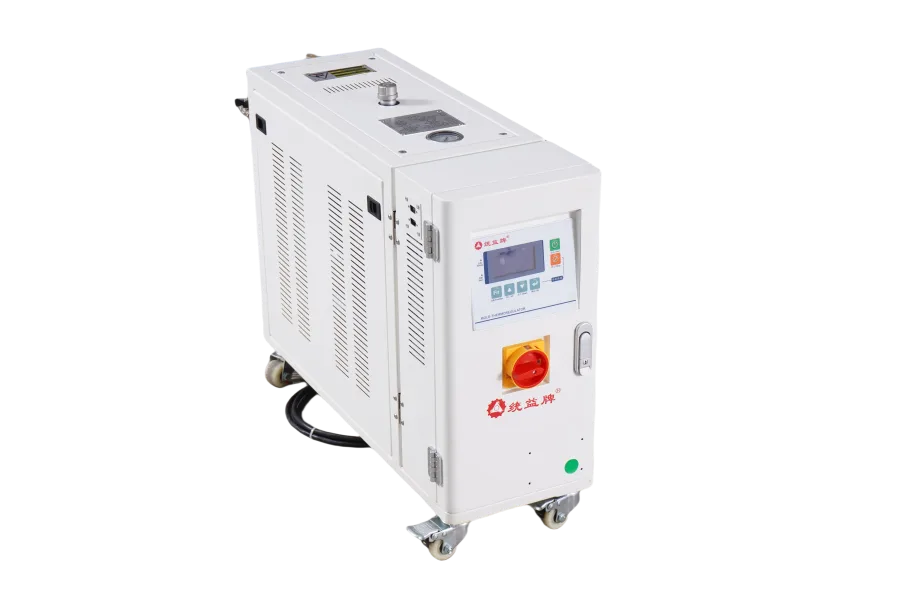
Oil Type Mold Temperature Controller
200°C Oil Type Mold Temperature Controller | TMC Series
View Product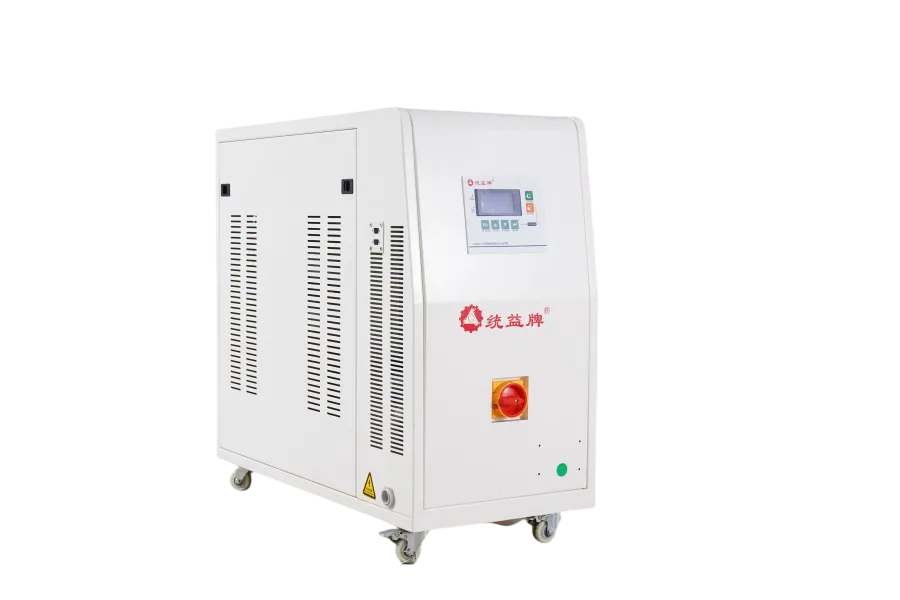
High Temp. Water Temperature Controller Series
High-temperature water mold temperature control up to 160°C with ±0.1°C precision, rapid heating, stable circulation, and reliable safety protection for injection molding…
View ProductPlanning FAQ
Energy retrofit questions
Begin with production output, operating hours, equipment loading, setpoints and the utilities that can be isolated reliably.
No. Maintenance, controls, scheduling, insulation, leakage correction and operating practices may be evaluated before replacement.
Compare a defined baseline and post-change period under comparable production and environmental conditions using the same measurement boundary.